- Nicotine is a naturally occurring chemical found in the tobacco plant and is best known for its addictive properties. It is present in traditional tobacco products and many newer nicotine products, although nicotine can also be produced without using tobacco plants.
Understanding nicotine can be confusing because terms such as nicotine, tobacco, tobacco-free, and nicotine-free are often used as though they mean the same thing. They do not.
For example, a product can be tobacco-free while still containing nicotine. Likewise, a tobacco-free product can also be nicotine-free.
This guide explains what nicotine is, where it comes from, how it works in the body, why it can lead to dependence, and how nicotine differs across cigarettes, heated products, vapes, nicotine pouches, and nicotine replacement therapies.
What Is Nicotine?
Nicotine is a chemical compound naturally present in the tobacco plant.
It interacts with the nervous system and can produce dependence with repeated exposure. According to the U.S. Food and Drug Administration (FDA), nicotine is the primary chemical responsible for the addictive nature of tobacco products.
However, nicotine and tobacco are not interchangeable terms.
Nicotine is a chemical compound. Tobacco is a plant and a material used in many tobacco products.
This distinction becomes increasingly important as the market includes products that may contain nicotine without containing tobacco leaf.
Where Does Nicotine Come From?
Nicotine can broadly be divided by its source.
Tobacco-Derived Nicotine
Nicotine occurs naturally in tobacco plants and can be extracted from them.
Traditional cigarettes, cigars and many other tobacco products contain naturally occurring nicotine because tobacco itself contains nicotine.
Nicotine extracted from tobacco may also be used as an ingredient in other product formats.
Non-Tobacco or Synthetic Nicotine
Nicotine does not necessarily have to come from a tobacco plant.
Non-tobacco nicotine, sometimes referred to as synthetic nicotine, can be produced without extracting nicotine from tobacco.
The FDA describes non-tobacco nicotine as nicotine that did not come from a tobacco plant. Synthetic nicotine is one form of non-tobacco nicotine.
Importantly, the source does not eliminate nicotine’s addictive properties. Nicotine remains addictive whether it originates from tobacco or is produced through a non-tobacco process.
How Does Nicotine Work in the Body?
When nicotine enters the body, it interacts with receptors in the nervous system.
One of its important effects involves the brain’s reward pathways. Nicotine can influence the release of neurotransmitters associated with reward and reinforcement.
Repeated exposure can change how the brain responds to nicotine.
Over time, a person who regularly uses nicotine may experience cravings or find it difficult to stop using nicotine-containing products.
How quickly nicotine reaches the body and how much is absorbed can vary significantly depending on the product and method of use.
A cigarette, vape, oral nicotine pouch, heated product and nicotine replacement product do not necessarily deliver nicotine in the same way.
Why Is Nicotine Addictive?
Nicotine is highly addictive.
Repeated nicotine exposure can reinforce continued use and lead to dependence. Once dependence develops, stopping nicotine use may result in cravings and withdrawal symptoms.
This is an important distinction when discussing nicotine and health:
Nicotine is strongly associated with addiction, but nicotine alone should not be treated as synonymous with all of the health effects caused by cigarette smoking.
Traditional cigarette smoke contains thousands of chemicals. The FDA notes that the toxic chemical mixture associated with tobacco and tobacco smoke is responsible for many of the serious diseases associated with smoking.
This does not mean nicotine is harmless or that nicotine-containing products are risk-free. Rather, nicotine exposure and exposure to products of tobacco combustion are different concepts and should be discussed separately.
Where Is Nicotine Found?
Nicotine can appear in several product categories.
Cigarettes
Traditional cigarettes contain tobacco and nicotine.
When a cigarette is lit, the tobacco burns and produces smoke that is inhaled by the user.
This means cigarette use involves both nicotine exposure and exposure to chemicals produced or released during tobacco combustion.
E-Cigarettes and Vapes
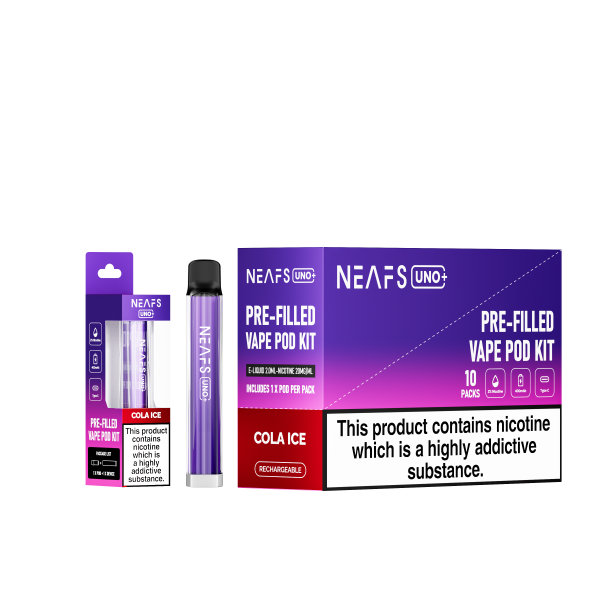
Many e-cigarettes and vaping products contain nicotine in an e-liquid.
The nicotine may be tobacco-derived or, depending on the product, produced from a non-tobacco source.
E-cigarettes work differently from cigarettes because they use an electronic system to create an aerosol rather than burning a conventional cigarette.
Nicotine concentration and formulation vary substantially between products, so the specifications of the individual product should always be checked.
Heated Tobacco and Heated Stick Products
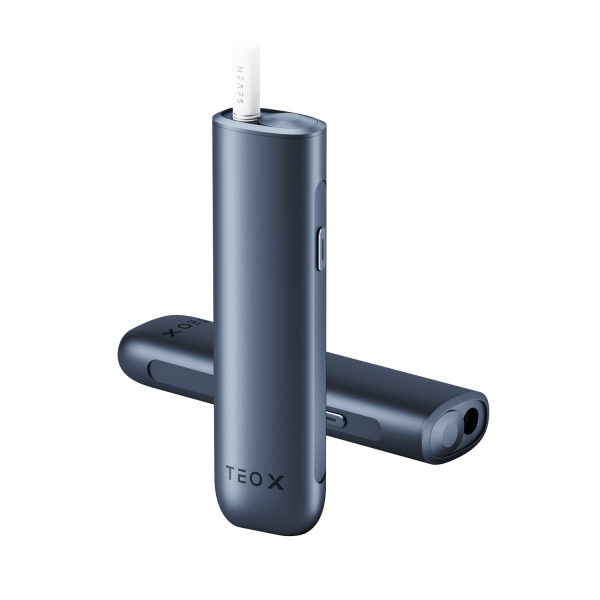
Heat-not-burn systems use a heating device with a compatible consumable instead of lighting a conventional cigarette.
However, not every heated consumable has the same composition.
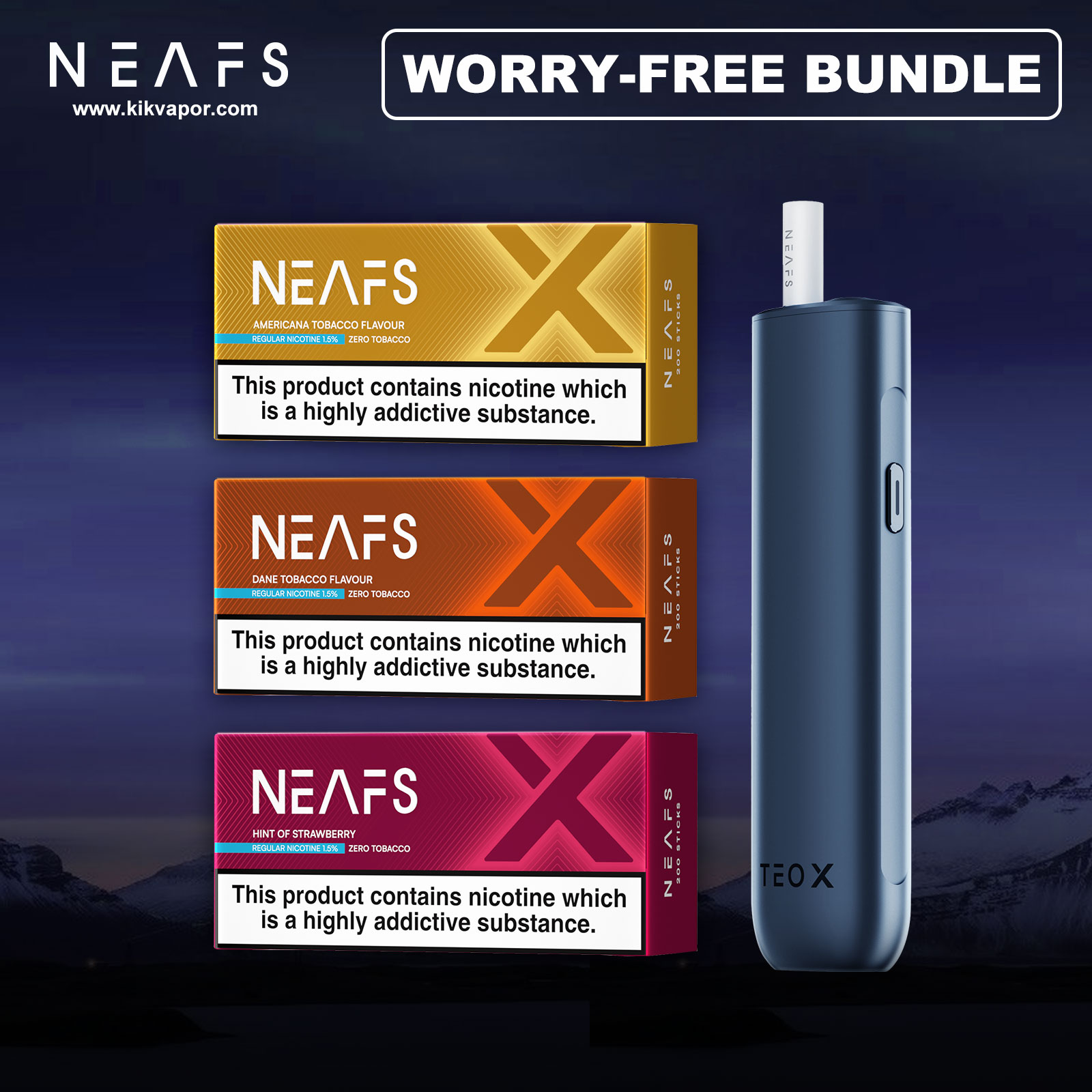
Some heated sticks contain tobacco. Other heated-stick products may use tobacco-free materials.
Nicotine content can also vary independently of tobacco content.
For this reason, the terms “heated stick,” “tobacco stick,” and “nicotine stick” should not automatically be treated as synonyms.
Nicotine Pouches
Nicotine pouches are oral products typically placed between the lip and gum.
They can contain nicotine without containing tobacco leaf.
This makes nicotine pouches a useful example of why tobacco-free does not mean nicotine-free.
The nicotine source, nicotine amount and other ingredients vary by product.
Nicotine Replacement Therapy
Nicotine is also used in approved medicines intended to support smoking cessation.
Nicotine replacement therapies, commonly called NRTs, include products such as nicotine patches, gums and lozenges.
These products are different from recreational or consumer nicotine products because they are specifically developed and regulated for smoking cessation.
Is Nicotine the Same as Tobacco?
No.
This is one of the most important distinctions to understand.
Tobacco refers to the tobacco plant and materials derived from it.
Nicotine is a chemical compound naturally present in the tobacco plant but which can also be produced from non-tobacco sources.
Therefore:
- A tobacco product generally contains naturally occurring nicotine.
- A nicotine-containing product does not necessarily contain tobacco leaf.
- A tobacco-free product can still contain nicotine.
- A product can also be both tobacco-free and nicotine-free.
Separating these attributes makes it much easier to understand modern nicotine and heated-product categories.
Does Tobacco-Free Mean Nicotine-Free?
No.
“Tobacco-free” and “nicotine-free” describe two different product characteristics.
A tobacco-free product is designed without tobacco as its tobacco material or base.
A nicotine-free product does not contain nicotine.
A product may therefore be:
Tobacco-containing + nicotine-containing
or:
Tobacco-free + nicotine-containing
or:
Tobacco-free + nicotine-free
This distinction is particularly relevant when comparing nicotine pouches and different types of heated sticks.
Consumers should check the specifications of the individual product rather than assuming its nicotine content based only on a “tobacco-free” description.
Nicotine vs. Tobacco Smoke: What Is the Difference?
Nicotine and tobacco smoke should not be treated as the same exposure.
Nicotine is the chemical primarily responsible for dependence associated with tobacco products.
Cigarette smoke, meanwhile, contains a complex mixture of chemicals generated or released when tobacco and other cigarette materials burn.
According to the FDA, combustible tobacco products such as cigarettes are particularly harmful because burning tobacco exposes users to a large mixture of harmful chemicals.
That distinction is important, but it should not be interpreted to mean that every non-combustible nicotine product is safe.
Different products have different compositions, exposure patterns and risk profiles.
For people who do not currently use tobacco or nicotine products, public-health authorities advise against starting nicotine use.
Understanding Nicotine Strength and Concentration
Nicotine strength is not expressed in exactly the same way across every product category.
Depending on the product, nicotine may be described using:
- milligrams (mg)
- milligrams per milliliter (mg/mL)
- percentage (%)
- nicotine per pouch
- nicotine per other individual consumable
These measurements are not automatically interchangeable.
For example, a nicotine percentage in an e-liquid cannot be directly compared with milligrams per pouch without considering the product formulation, quantity and delivery method.
The most reliable approach is to read the nicotine specification for the specific product rather than comparing numbers without context.
Tobacco-Free vs. Nicotine-Free Heated Sticks
Heated sticks provide a good example of why product terminology matters.
The broad category “heated sticks” describes the consumable format used with compatible heat-not-burn heating systems.
Within that category, products can differ in both base material and nicotine content.
A useful way to think about the category is:
Heated Sticks
→ Tobacco Heated Sticks
→ Tobacco-Free Heated Sticks
And tobacco-free heated sticks can then be divided further into:
→ Nicotine Heated Sticks
→ Nicotine-Free Heated Sticks
This classification prevents a common misunderstanding: assuming that a tobacco-free heated stick must also be nicotine-free.
The two attributes should be checked separately.
Who Should Avoid Nicotine?
Nicotine-containing products are not appropriate for everyone.
Young people should not use nicotine products. Nicotine exposure during adolescence is of particular concern because the brain continues developing during this period.
Nicotine exposure during pregnancy can also pose risks to fetal development.
People who do not currently use nicotine or tobacco products should not begin using them simply because a product is described as tobacco-free or non-combustible.
“Tobacco-free” describes a product characteristic. It does not mean “risk-free.”
Frequently Asked Questions
Is nicotine tobacco?
No. Nicotine is a chemical compound naturally found in the tobacco plant. Tobacco is the plant material itself. Nicotine can also be produced without using tobacco plants.
Can nicotine exist without tobacco?
Yes. Non-tobacco nicotine can be produced without extracting nicotine from tobacco. Some tobacco-free products can therefore contain nicotine.
Is tobacco-free the same as nicotine-free?
No. A tobacco-free product may still contain nicotine. Tobacco content and nicotine content are separate product attributes.
Is nicotine addictive?
Yes. Nicotine is highly addictive, regardless of whether it comes from tobacco or a non-tobacco source.
Do all vapes contain nicotine?
No. Product formulations vary. Many vaping products contain nicotine, while nicotine-free products also exist. Check the individual product specifications.
Do all heated sticks contain tobacco?
No. Product composition varies. Some heated sticks contain tobacco, while others use tobacco-free materials.
Can tobacco-free heated sticks contain nicotine?
Yes. Tobacco-free and nicotine-free are different classifications. A tobacco-free heated stick may contain nicotine, while another tobacco-free heated stick may contain no nicotine.
Are nicotine pouches tobacco-free?
Many modern nicotine pouches are designed without tobacco leaf while still containing nicotine. Product composition should always be checked individually.
Is nicotine the main harmful chemical in cigarette smoke?
Nicotine is primarily responsible for tobacco-product addiction, but it is not responsible for all of the serious health effects associated with cigarette smoking. Cigarette smoke contains thousands of chemicals, and exposure to this chemical mixture contributes substantially to smoking-related disease.
The Bottom Line
Nicotine is a highly addictive chemical that occurs naturally in tobacco but can also come from non-tobacco sources.
The most important concept is that nicotine and tobacco are not the same thing.
A product can contain tobacco and nicotine, contain nicotine without tobacco, or contain neither tobacco nor nicotine.
Understanding these distinctions is especially useful when comparing modern product categories such as heated sticks, nicotine pouches and vaping products.
Rather than relying on broad labels such as “tobacco-free,” check tobacco content, nicotine content, nicotine strength and product format separately.
That provides a much clearer picture of what a product actually contains.
Sources
- U.S. Food and Drug Administration (FDA), Nicotine Is Why Tobacco Products Are Addictive
- U.S. Food and Drug Administration (FDA), Regulation and Enforcement of Non-Tobacco Nicotine Products
- U.S. Food and Drug Administration (FDA), Chemicals in Tobacco Products and Your Health
- U.S. Centers for Disease Control and Prevention (CDC), information on nicotine and the health effects of vaping

KikVape - Online Vape Shop - Disposables, Heat not burn, Nicotine pouches
Shop incredible deals at Kikvape, a progressive online retail establishment serving the nicotine community with heat not burn, disposables, and premium nicotine pouches.