Traditional cigarettes and heated sticks may look similar in size and may both be associated with nicotine use, but they are not the same type of product.
The fundamental difference is how they are used.
A conventional cigarette is lit and burns tobacco to produce smoke. A heated stick is designed to be inserted into a compatible heat-not-burn device, which heats the consumable rather than using a flame to burn it like a cigarette.
There is another important distinction: not every heated stick has the same composition. Some contain tobacco, while others use tobacco-free materials. Nicotine content can also vary independently of tobacco content.
This guide explains the differences between cigarettes and heated sticks, how heat-not-burn systems work, and where products such as NEAFS and NEAFS-X fit within the broader heated-stick category.
Cigarettes vs. Heated Sticks at a Glance
| Feature | Traditional Cigarettes | Heated Sticks |
|---|---|---|
| Basic mechanism | Tobacco is burned | Consumable is heated by a compatible device |
| Flame required | Yes | No during normal device use |
| Combustion | Yes | Designed to heat rather than burn like a cigarette |
| Separate electronic device | No | Usually required |
| Contains tobacco | Yes | Depends on the product |
| Contains nicotine | Typically yes | Depends on the product |
| Reusable hardware | No | Heating device may be reusable |
| Consumable format | Cigarette | Heated stick |
| Device compatibility | Not applicable | Important |
| Requires charging | No | Depends on the heating device |
The comparison shows why “heated stick” should not simply be used as another name for “cigarette.”
They belong to different product formats and operate differently.
How Do Traditional Cigarettes Work?
A conventional cigarette contains tobacco wrapped in paper.
When the cigarette is lit, combustion takes place. The burning process produces smoke, which the user inhales.
Combustion is therefore a defining characteristic of cigarette smoking.
Cigarette smoke contains nicotine as well as thousands of other chemicals. According to the U.S. Food and Drug Administration, many serious health effects associated with cigarette smoking result from exposure to the complex mixture of chemicals in tobacco smoke rather than from nicotine alone.
Nicotine remains important because it is highly addictive and helps sustain repeated tobacco use.
This distinction matters when comparing cigarettes with other nicotine or heated-product formats:
nicotine exposure and combustion-related smoke exposure are related issues, but they are not the same thing.
How Do Heated Sticks Work?
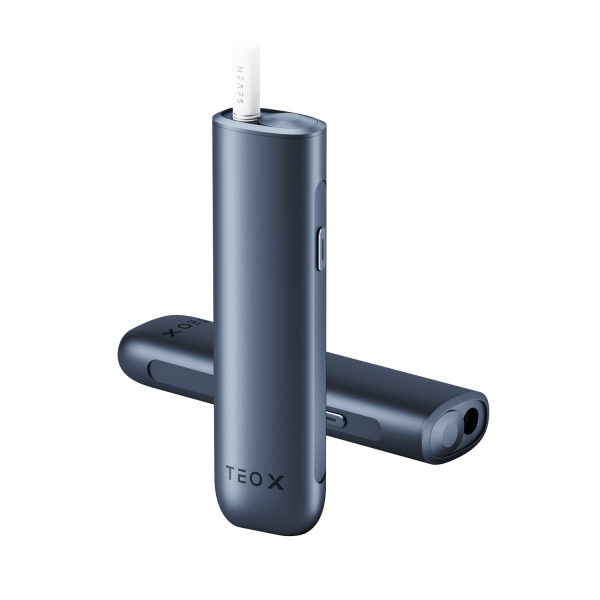
Heated sticks are consumables designed for use with compatible heat-not-burn heating devices.
Instead of lighting the stick with a flame, the user inserts the consumable into a compatible device.
The device then heats the consumable according to the system’s design.
This creates an aerosol or emission that can be inhaled without using the conventional cigarette process of continuously burning a tobacco rod.
However, “heated stick” describes a product format rather than one universal formulation.
Different heated sticks can use different materials, contain different ingredients and have different nicotine specifications.
Compatibility can also vary between devices and consumables.
For this reason, the specifications of the individual stick and heating device should always be checked.
Combustion vs. Heating: The Core Difference
The most important technical difference between a cigarette and a heated-stick system is combustion versus heating.
Traditional Cigarettes
A cigarette is ignited.
The tobacco and other cigarette materials burn, producing smoke.
Heated-Stick Systems
A compatible device supplies controlled heat to the consumable.
The product is designed to operate without using the conventional cigarette process of lighting and continuously burning the stick.
This distinction is the basis of the term heat-not-burn.
It should not, however, be interpreted as meaning that heated products are harmless.
Public-health authorities note that heated tobacco products can still expose users to nicotine and other chemicals. The health effects can also vary by product, formulation and use pattern.
Do Heated Sticks Contain Tobacco?
Some do, but not all heated sticks should automatically be classified as tobacco sticks.
Traditional heated tobacco products use processed tobacco material in the consumable.
Other heated-stick products are designed using tobacco-free base materials.
This creates an important category distinction:
Heated Sticks
- Tobacco Heated Sticks
- Tobacco-Free Heated Sticks
“Tobacco stick” and “heated stick” therefore should not always be treated as interchangeable terms.
A tobacco stick is one type of heated consumable. The broader heated-stick category can include products with different base materials.
Do Heated Sticks Contain Nicotine?
It depends on the individual product.
Some heated sticks contain nicotine.
Others are nicotine-free.
Nicotine content and tobacco content should be treated as two separate product attributes.
For example, a product can theoretically be:
- tobacco-containing and nicotine-containing;
- tobacco-free and nicotine-containing; or
- tobacco-free and nicotine-free.
This is why the phrase tobacco-free should never automatically be interpreted as nicotine-free.
Always check the nicotine specification separately.
What Are Tobacco-Free Heated Sticks?
Tobacco-free heated sticks are consumables designed for compatible heating devices without using tobacco as their tobacco base material.
Depending on the product, they may still contain nicotine.
This gives us another useful category structure:
Heated Sticks
→ Tobacco-Free Heated Sticks
→ Nicotine Heated Sticks
→ Nicotine-Free Heated Sticks
This classification is more accurate than grouping every heated consumable under “tobacco sticks.”
It also helps users understand exactly which attribute they are comparing: product format, tobacco content or nicotine content.
Cigarettes vs. Heated Sticks: Product Format
Traditional cigarettes are self-contained consumables.
The user needs the cigarette and a source of ignition. Once used, the cigarette is discarded.
Heated sticks work as part of a system.
The consumable and the heating device perform different roles:
Heating Device
Provides the heating mechanism and may be rechargeable and reusable.
Heated Stick
Acts as the consumable inserted into the device and is replaced after use.
This device-plus-consumable structure makes compatibility significantly more important for heated-stick products than for conventional cigarettes.
Do Heated Sticks Require a Device?
Generally, heated sticks are designed to be used with a compatible heat-not-burn device.
The stick itself does not contain the complete heating system.
This is fundamentally different from a cigarette, which is ignited directly.
Examples of heat-not-burn systems may consist of:
- a reusable heating device;
- a compatible consumable stick; and
- a charging system for the device.
Exact operation varies by brand and model.
A heated stick should not be assumed to work with every heat-not-burn device simply because its physical format appears similar.
Why Compatibility Matters
Compatibility is one of the most important differences between cigarettes and heated sticks.
Traditional cigarettes do not depend on electronic hardware compatibility.
Heated sticks do.
A heating device can be designed around particular dimensions, heating methods or consumable specifications.
Before using a heated stick, check:
- the intended heating device;
- manufacturer compatibility information;
- the stick format;
- device instructions; and
- product-specific requirements.
Avoid assuming universal compatibility between brands or product generations.
Where Do NEAFS and NEAFS-X Fit?
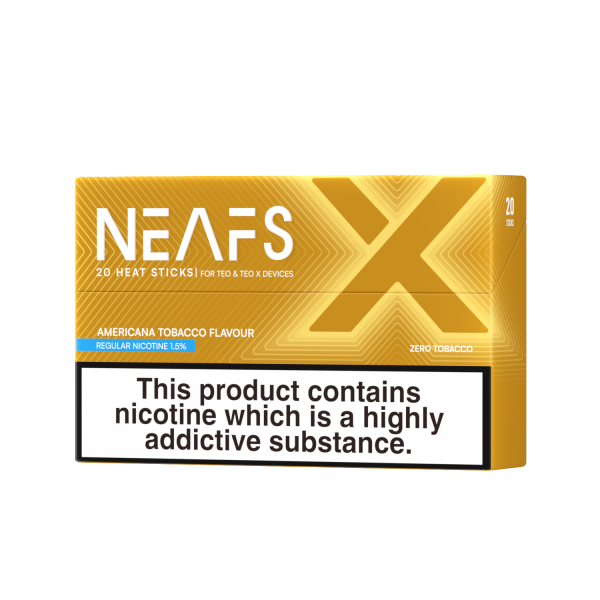
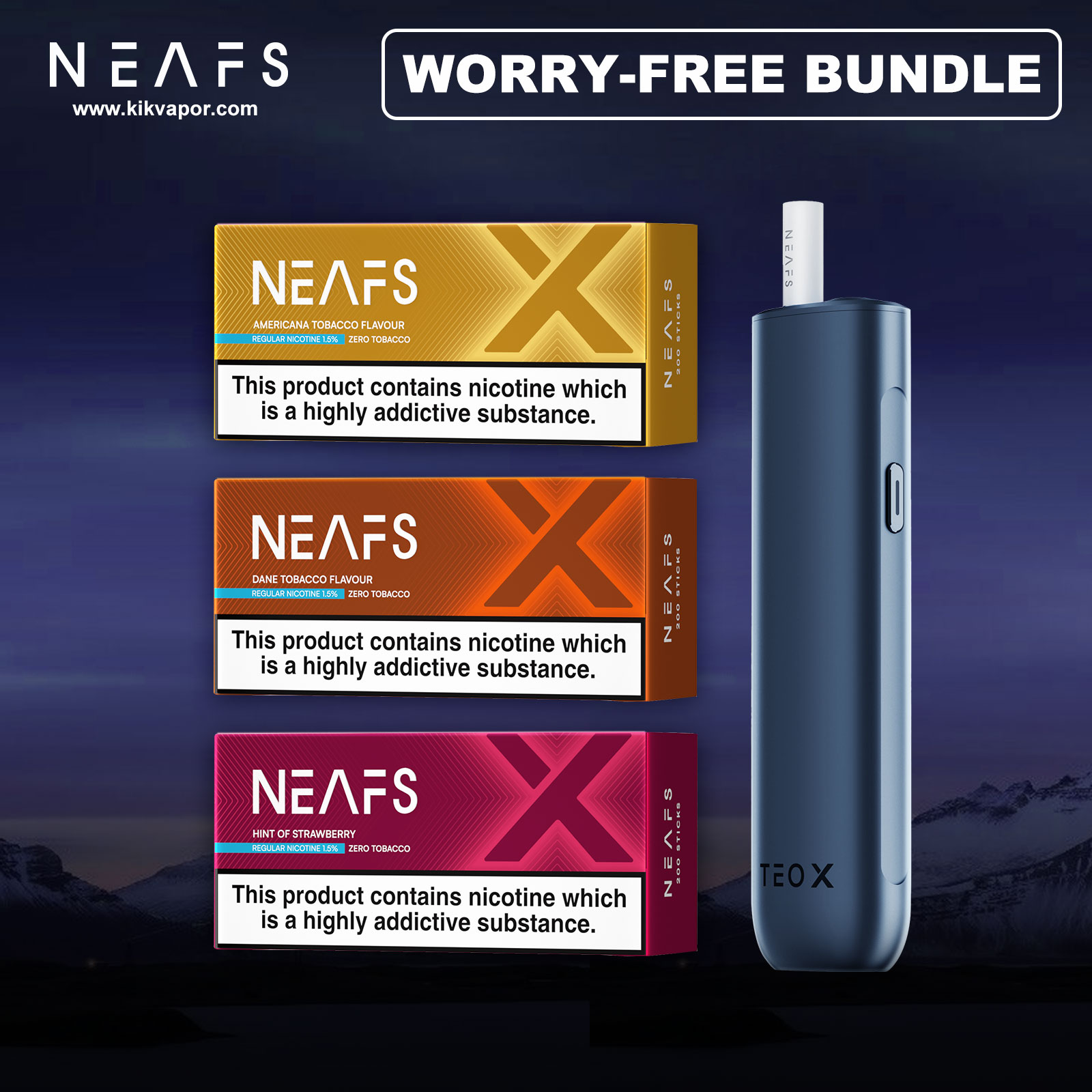
NEAFS is associated with the heat-not-burn product category and includes heated-stick products designed for compatible heating systems.
Within the KIKVAPE product structure, NEAFS and NEAFS-X should be understood as heated-stick product lines, rather than conventional cigarettes.
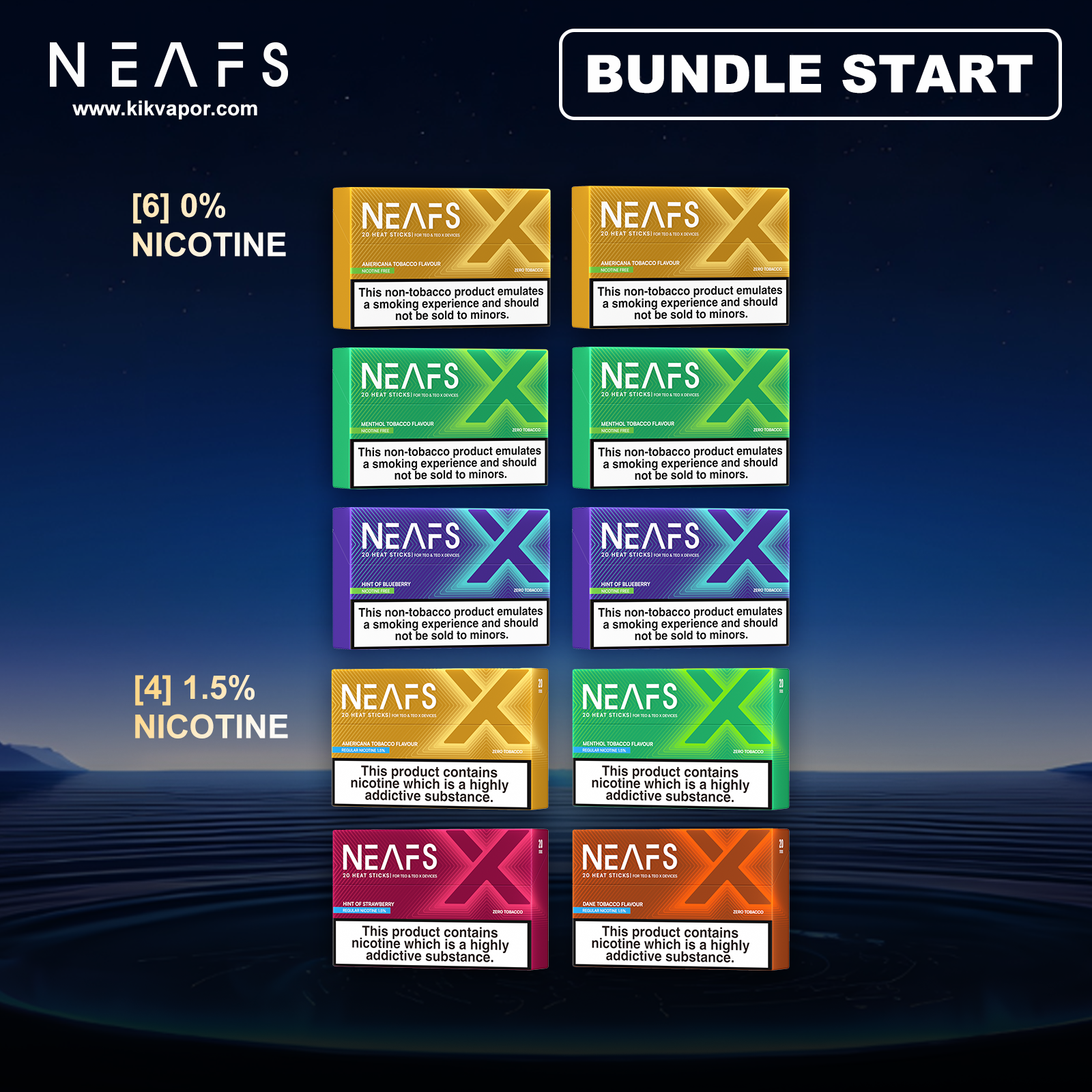
NEAFS-X includes tobacco-free heated-stick options with different nicotine specifications, including nicotine-containing and nicotine-free variants.
This means NEAFS-X demonstrates an important concept discussed throughout this guide:
tobacco-free does not necessarily mean nicotine-free.
A tobacco-free heated stick can contain nicotine, while another version can be formulated without nicotine.
Exact product composition, nicotine level and compatibility should always be checked on the relevant product page because specifications can differ between product lines and variants.
Cigarettes vs. Heated Sticks: What About Nicotine?
Nicotine is another area where terminology can cause confusion.
Traditional cigarettes generally contain nicotine naturally present in tobacco.
Heated sticks may also contain nicotine, but the nicotine specification depends on the individual product.
Nicotine is highly addictive regardless of whether it is associated with a combustible cigarette or another nicotine-containing product.
At the same time, nicotine should not be treated as synonymous with cigarette smoke.
Cigarette smoking involves exposure to nicotine plus the complex mixture of chemicals found in smoke generated by combustion.
This is why comparisons should clearly separate:
How the product works
from:
Whether it contains tobacco
from:
Whether it contains nicotine.
These are three different questions.
Are Heated Sticks the Same as E-Cigarettes?
No.
Although both involve electronic hardware in many cases, heated-stick systems and e-cigarettes are different product formats.
A heated-stick device heats a compatible solid consumable.
An e-cigarette generally heats an e-liquid to produce an aerosol.
A simple way to distinguish the three formats is:
Cigarette
Burns a tobacco-containing cigarette.
Heated-Stick System
Heats a compatible solid consumable.
E-Cigarette / Vape
Typically heats an e-liquid.
The categories should therefore not be treated as interchangeable.
Are Heated Sticks Safer Than Cigarettes?
It is better not to reduce the comparison to a simple “safe versus unsafe” label.
Cigarettes burn tobacco and expose users to a complex mixture of chemicals in cigarette smoke. Public-health authorities have established that cigarette smoking causes serious disease.
Heated products operate differently because they heat a consumable instead of functioning like a conventional burning cigarette.
However, this does not make heated products risk-free.
The U.S. Centers for Disease Control and Prevention states that heated tobacco products can expose users and bystanders to some of the same chemicals found in cigarette smoke, and more research is needed to fully understand their health effects.
Product-specific evidence also matters. Findings about one heated product should not automatically be applied to every other heated-stick system.
For people who do not currently use tobacco or nicotine products, public-health authorities advise against starting.
Heated Sticks vs. Cigarettes: Which Features Should You Compare?
Instead of relying on broad marketing claims, compare measurable product characteristics.
Useful questions include:
- Does the product burn or heat its consumable?
- Does the consumable contain tobacco?
- Does it contain nicotine?
- What nicotine strength is stated?
- Does it require a separate heating device?
- Which devices are officially compatible?
- Is the hardware reusable?
- Is the consumable single-use?
- What information does the manufacturer provide about ingredients and specifications?
This produces a much more useful comparison than assuming all heated products have the same characteristics.
Frequently Asked Questions
What is the main difference between cigarettes and heated sticks?
Traditional cigarettes burn tobacco to produce smoke. Heated sticks are designed for compatible heating devices that heat a consumable rather than using a flame to burn it like a conventional cigarette.
Are heated sticks cigarettes?
No. Heated sticks are consumables used with compatible heat-not-burn systems. They differ from conventional cigarettes in both product format and method of use.
Do all heated sticks contain tobacco?
No. Some heated sticks contain tobacco, while other products use tobacco-free materials.
Do all heated sticks contain nicotine?
No. Nicotine content depends on the individual product. Nicotine-containing and nicotine-free heated sticks can both exist.
Does tobacco-free mean nicotine-free?
No. Tobacco content and nicotine content are separate product attributes. A tobacco-free heated stick may still contain nicotine.
Do heated sticks need a device?
Heated sticks are generally designed for use with a compatible heat-not-burn heating device.
Can any heated stick be used with any heating device?
No. Compatibility depends on the product and device. Check the manufacturer’s compatibility information before use.
Are heated sticks the same as vapes?
No. Heated-stick systems use solid consumables, while vapes generally heat an e-liquid. They are separate product categories.
Are heated sticks harmless because they do not work like cigarettes?
No. A different operating method should not be interpreted as meaning a product is harmless. Nicotine-containing products can be addictive, and heated products can expose users to other chemicals.
Where do NEAFS-X heated sticks fit?
NEAFS-X products fit within the heated-stick category. The range includes tobacco-free options with different nicotine specifications. Check the individual product page for current composition, nicotine information and compatibility.
The Bottom Line
Traditional cigarettes and heated sticks differ primarily in how they operate.
Cigarettes use combustion: tobacco is lit and burned to produce smoke.
Heated sticks are designed to work with compatible heating devices that heat a solid consumable rather than functioning like a conventional burning cigarette.
But the distinction does not stop there.
When comparing heated sticks, it is important to separate three product attributes:
1. Product format — cigarette or heated stick
2. Tobacco content — tobacco-containing or tobacco-free
3. Nicotine content — nicotine-containing or nicotine-free
Keeping these attributes separate makes it much easier to understand modern heat-not-burn products and avoids common misconceptions such as assuming every heated stick contains tobacco or that every tobacco-free product is nicotine-free.
For product-specific information, always check the current composition, nicotine specification and device compatibility provided for the individual heated stick.
Sources
- U.S. Food and Drug Administration (FDA), Nicotine Is Why Tobacco Products Are Addictive
- U.S. Food and Drug Administration (FDA), Chemicals in Cigarettes: From Plant to Product to Puff
- U.S. Food and Drug Administration (FDA), Health Effects of Tobacco Use
- U.S. Centers for Disease Control and Prevention (CDC), Heated Tobacco Products