Traditional cigarettes and e-cigarettes can both deliver nicotine, but they work in fundamentally different ways.
A traditional cigarette burns tobacco and produces smoke. An e-cigarette uses an electronic device to heat a liquid and produce an aerosol that the user inhales.
That difference — combustion versus electronic aerosol generation — is central to understanding the two product categories.
However, different does not mean harmless. Cigarette smoking is associated with serious health risks, while e-cigarettes can also expose users to nicotine and other potentially harmful substances.
This guide explains the differences between cigarettes and e-cigarettes, including how they work, what they contain, how nicotine is delivered, and how both differ from heat-not-burn products.
Cigarettes vs. E-Cigarettes at a Glance
| Feature | Traditional Cigarettes | E-Cigarettes |
|---|---|---|
| Basic mechanism | Burns tobacco | Heats e-liquid |
| Combustion | Yes | No tobacco combustion during normal use |
| Main output | Smoke | Aerosol |
| Tobacco leaf | Yes | Typically no |
| Nicotine | Typically present | Depends on the e-liquid |
| Electronic device | No | Yes |
| Battery | No | Usually yes |
| Refillable | No | Depends on device |
| Rechargeable | No | Depends on device |
| Consumable | Cigarette | E-liquid, pod or prefilled device |
The categories therefore should not be treated as interchangeable simply because both may contain nicotine.
How Do Traditional Cigarettes Work?
A traditional cigarette contains processed tobacco wrapped in paper.
When lit, the cigarette burns. This combustion process produces smoke that is inhaled by the user.
The smoke contains nicotine along with a complex mixture of other chemicals.
According to the U.S. Food and Drug Administration, cigarette smoking exposes users to numerous harmful chemicals, including substances generated or released during combustion.
Nicotine is an important part of the picture because it is highly addictive, but nicotine alone does not account for all of the serious health effects associated with cigarette smoking.
How Do E-Cigarettes Work?
E-cigarettes are electronic devices.
Instead of burning a tobacco-filled cigarette, an e-cigarette generally uses a battery-powered heating element to heat a liquid.
This liquid is commonly called:
- e-liquid;
- vape liquid; or
- vape juice.
The resulting aerosol is inhaled by the user.
Depending on the product, an e-liquid may contain nicotine, flavourings and other ingredients.
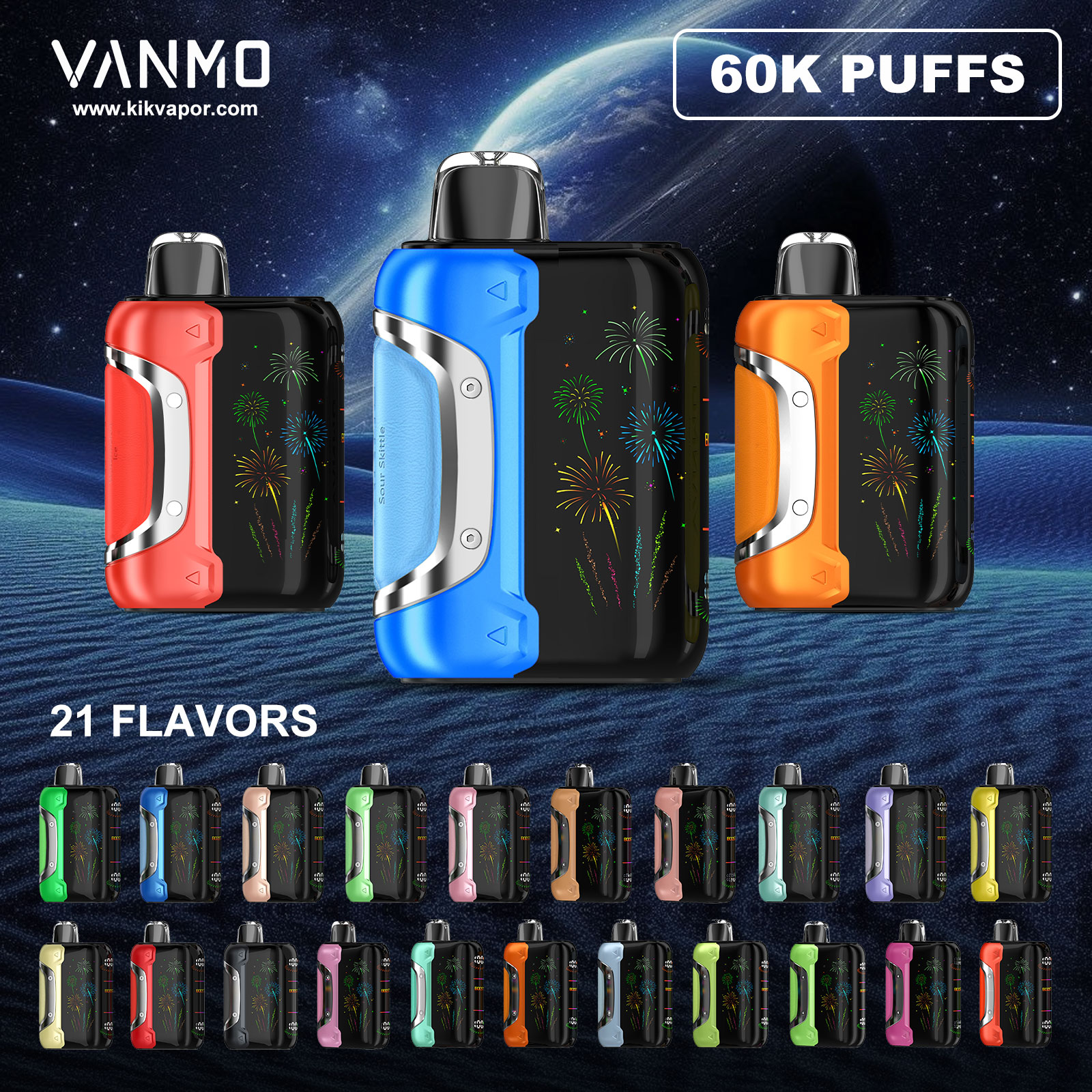
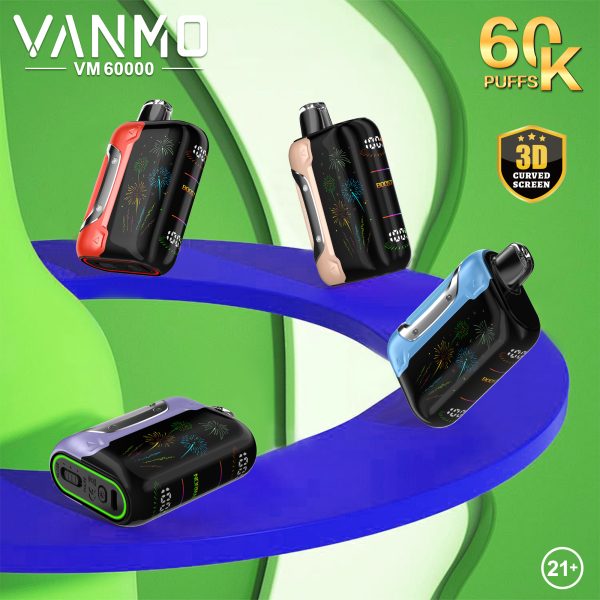
E-cigarette designs vary considerably, ranging from compact prefilled products to pod systems and larger refillable devices.
Smoke vs. Aerosol: Are They the Same?
No.
Cigarette smoke and e-cigarette aerosol are produced through different processes.
Cigarette Smoke
Smoke is generated when cigarette materials burn.
E-Cigarette Aerosol
E-cigarette aerosol is produced when the device heats an e-liquid.
Calling e-cigarette aerosol simply “water vapor” is inaccurate.
The aerosol can contain nicotine and other substances, depending on the formulation and device.
Likewise, the fact that an e-cigarette does not produce conventional cigarette smoke should not be interpreted as meaning its aerosol is harmless.
Do E-Cigarettes Contain Tobacco?
E-cigarettes generally do not operate by burning tobacco leaf.
Instead, they use e-liquid.
However, nicotine used in an e-liquid can have different origins.
Nicotine may be derived from tobacco, or a product may use non-tobacco nicotine.
This illustrates an important distinction:
Tobacco and nicotine are not the same thing.
A product can contain nicotine without containing tobacco leaf.
Do E-Cigarettes Contain Nicotine?
Many do, but not every e-cigarette contains nicotine.
Nicotine content varies significantly between products.
Depending on the market and product, nicotine strength may be expressed as:
- a percentage;
- milligrams per milliliter (mg/mL); or
- another product-specific measurement.
Nicotine is addictive.
For this reason, users should check the actual nicotine specification rather than assuming nicotine content based on the flavour, device size or product format.
Nicotine-free vaping products also exist.
Cigarettes vs. E-Cigarettes: What Is the Role of Combustion?
Combustion is one of the most important differences.
Traditional cigarettes require tobacco to burn continuously during use.
E-cigarettes do not function by burning a conventional tobacco cigarette. Instead, the device electronically heats an e-liquid.
This changes the substances to which users may be exposed, but it does not make e-cigarettes risk-free.
Public-health authorities continue to study the short- and long-term effects of e-cigarette use.
Are E-Cigarettes Safer Than Cigarettes?
This question requires more context than a simple “yes” or “no.”
Traditional cigarette smoking is well established as a cause of serious disease. Combustible cigarettes expose users to a complex mixture of toxic chemicals generated or released during smoking.
E-cigarettes do not produce conventional cigarette smoke, and the CDC notes that e-cigarette aerosol generally contains fewer harmful chemicals than cigarette smoke.
However, the CDC also makes an important point:
This does not mean e-cigarettes are safe.
E-cigarette aerosol can contain nicotine and potentially harmful substances, and scientists continue to study their long-term health effects.
Risk also depends on factors such as the specific product, ingredients, frequency of use and user behaviour.
For adults who do not currently use tobacco or nicotine products, public-health authorities advise against starting e-cigarette use.
Are E-Cigarettes Approved Smoking-Cessation Medicines?
In the United States, e-cigarettes are not FDA-approved smoking-cessation medicines.
Approved smoking-cessation medications and nicotine replacement therapies are a different product category.
Examples include certain:
- nicotine patches;
- nicotine gums; and
- nicotine lozenges.
Therefore, an e-cigarette should not automatically be described as an NRT product or an approved smoking-cessation treatment.
Regulatory treatment can vary between countries, so users should refer to current guidance from the relevant health authority in their jurisdiction.
Cigarettes vs. E-Cigarettes: Product Format
The two categories also differ substantially in physical design.
Traditional Cigarette
A cigarette is essentially a single-use combustible product.
After it has been smoked, the remaining cigarette is discarded.
E-Cigarette
An e-cigarette contains electronic components.
Depending on the design, it may include:
- a battery;
- heating element or coil;
- e-liquid reservoir;
- prefilled pod;
- mouthpiece;
- airflow system; and
- charging components.
Some devices are designed for extended use, while others are sold as disposable products.
Disposable Vapes vs. Pod Systems
Not every e-cigarette uses the same hardware format.
Two common formats are disposable vapes and pod systems.
Disposable Vapes
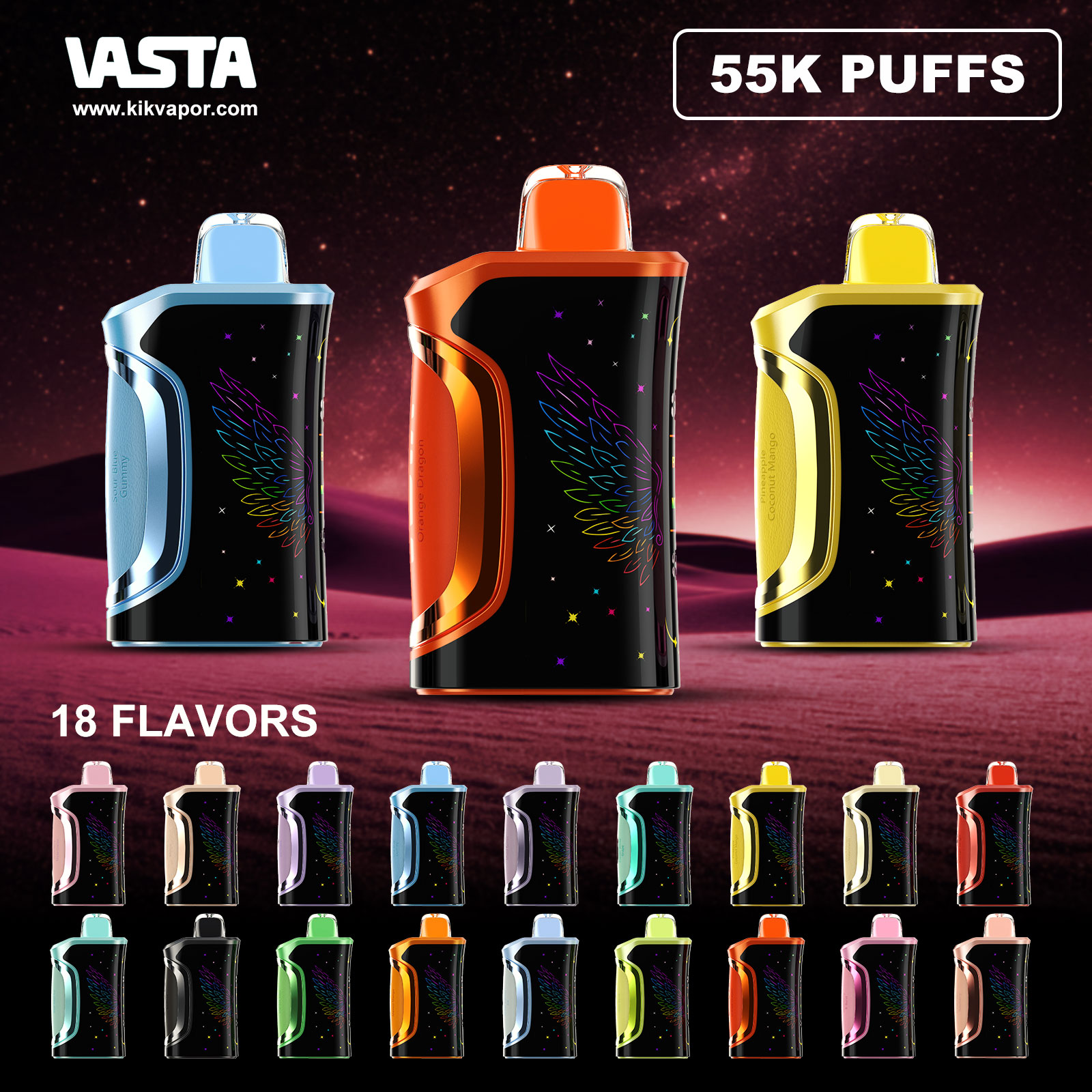
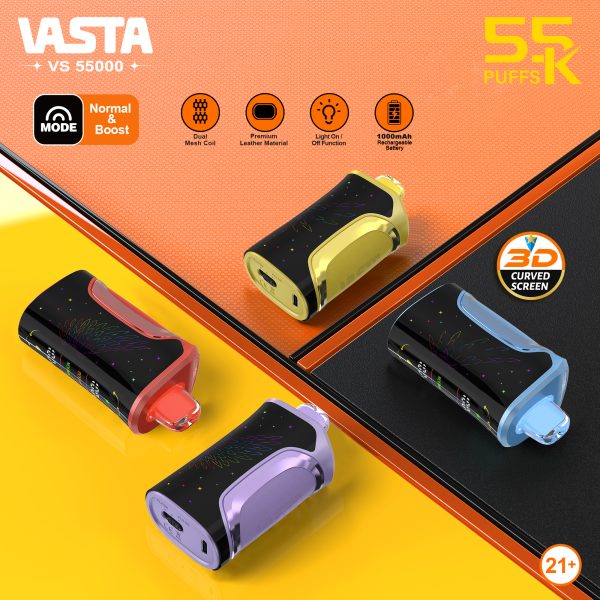
A disposable vape is generally sold as an integrated unit containing the device and e-liquid.
Depending on the model, modern high-capacity disposable devices may also be rechargeable even though the e-liquid section is not designed for routine refilling.
This means the term “disposable” should not automatically be interpreted as “non-rechargeable.”
Pod Systems
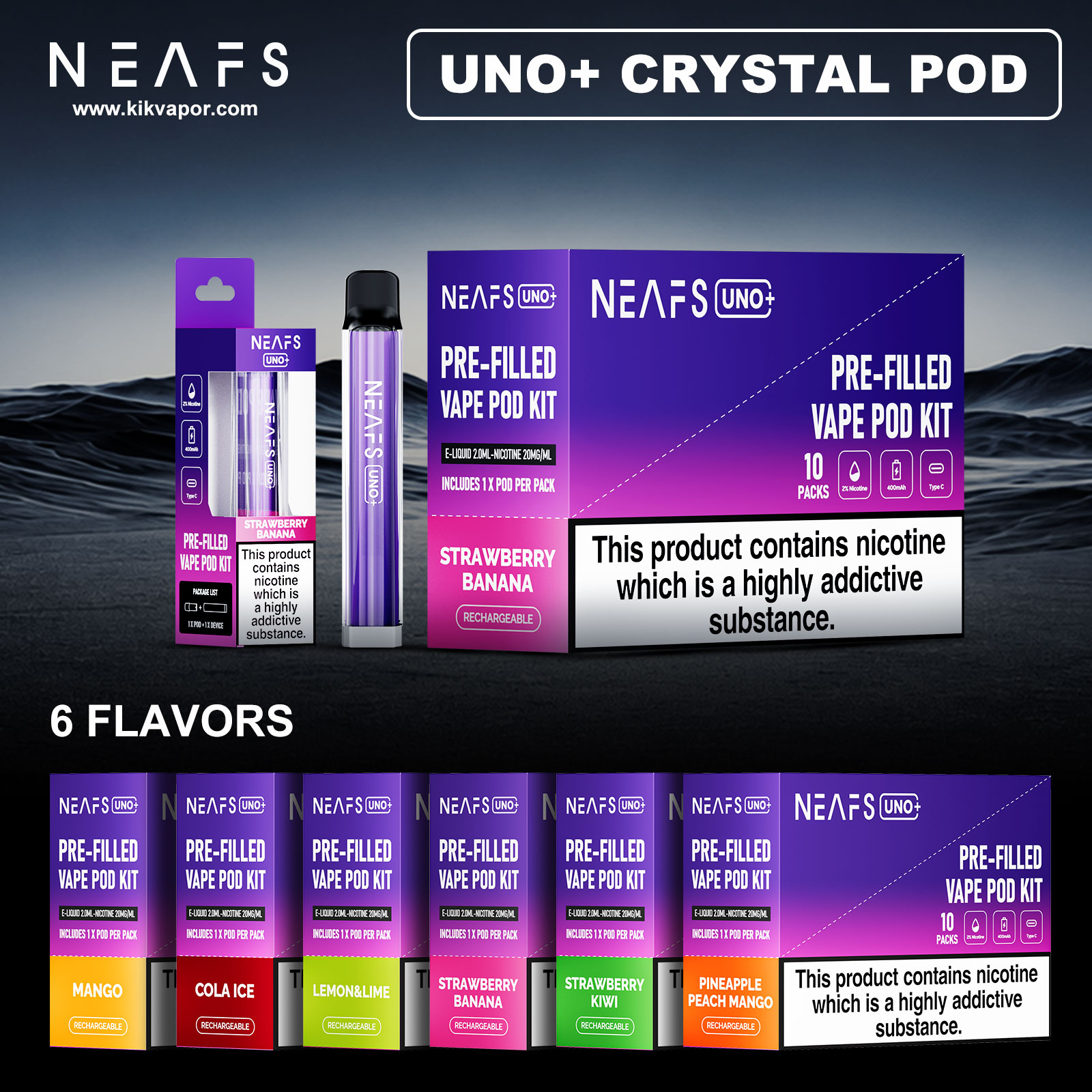
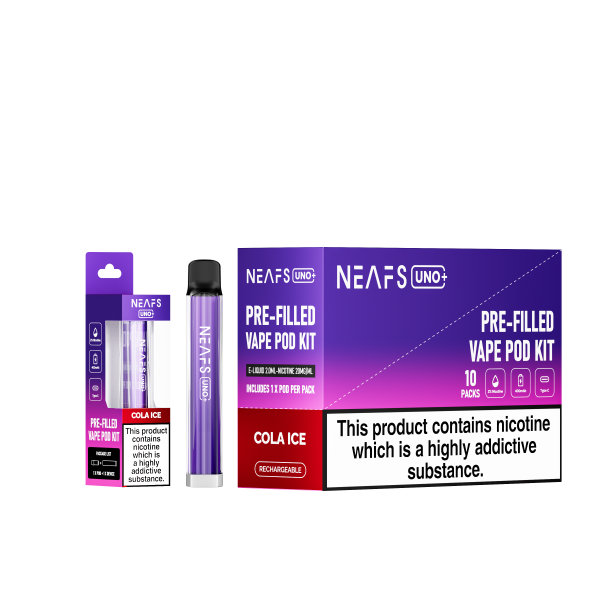
Pod systems use a device with a separate pod.
Depending on the system, the pod may be:
- prefilled and replaceable; or
- refillable.
Some pod devices are reused while the consumable pod is replaced.
Understanding this distinction is useful when comparing modern e-cigarette products.
E-Cigarettes vs. Heat-Not-Burn Products
E-cigarettes and heat-not-burn products are also different categories.
This is particularly relevant because the terms are sometimes mixed together.
E-Cigarette
An e-cigarette generally heats an e-liquid.
Heat-Not-Burn Device
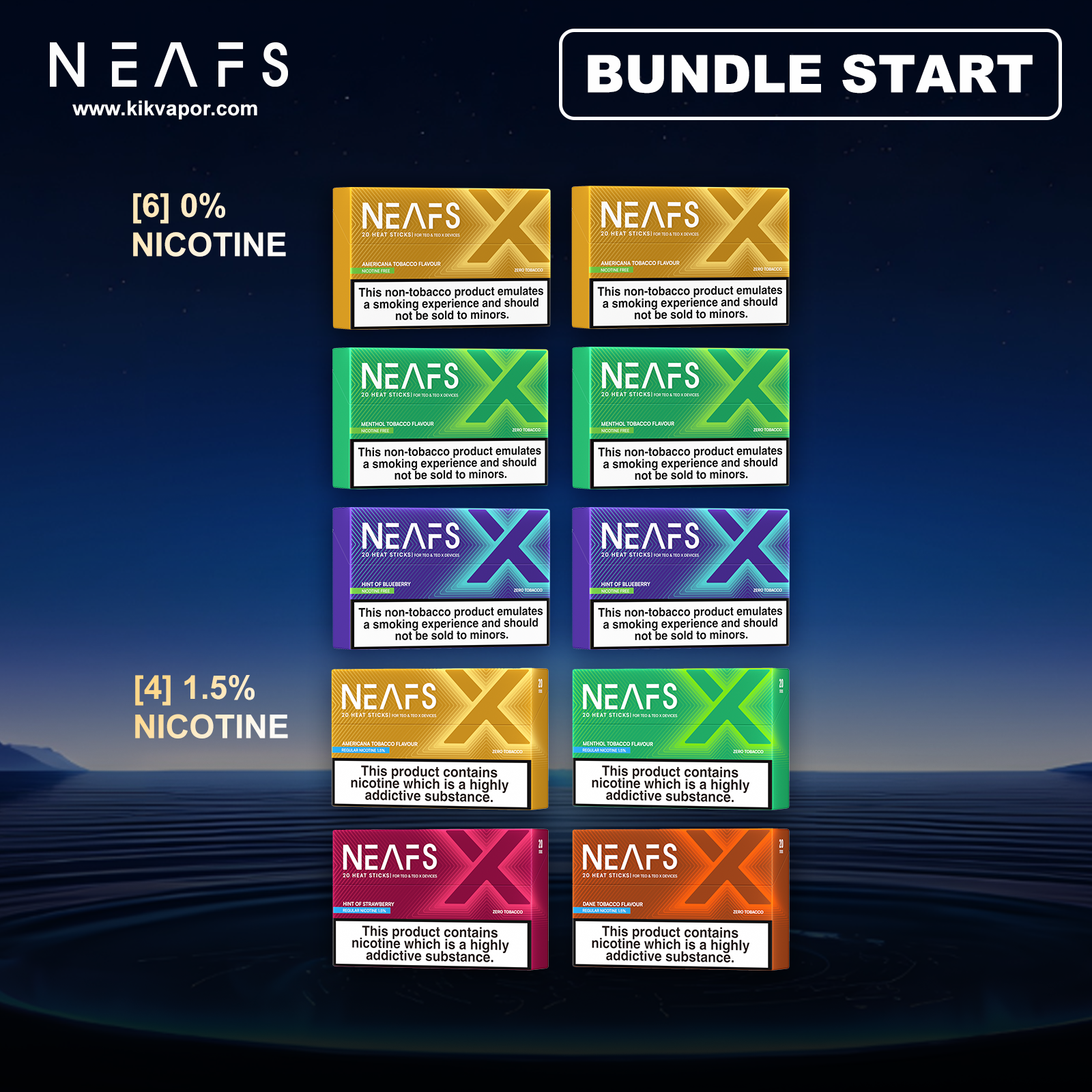
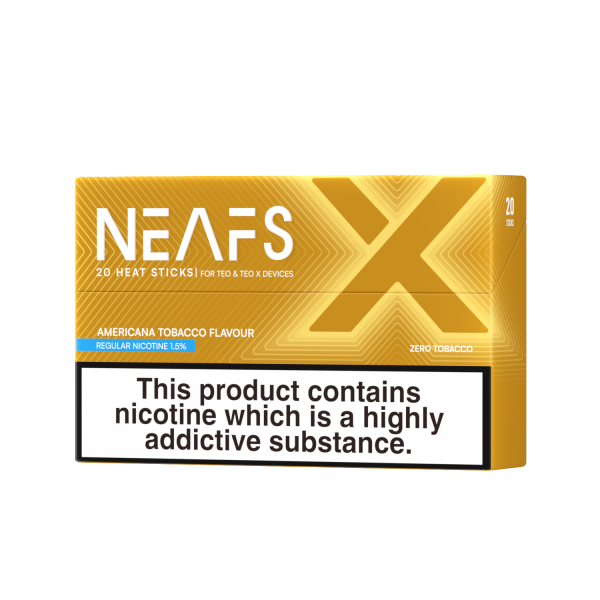
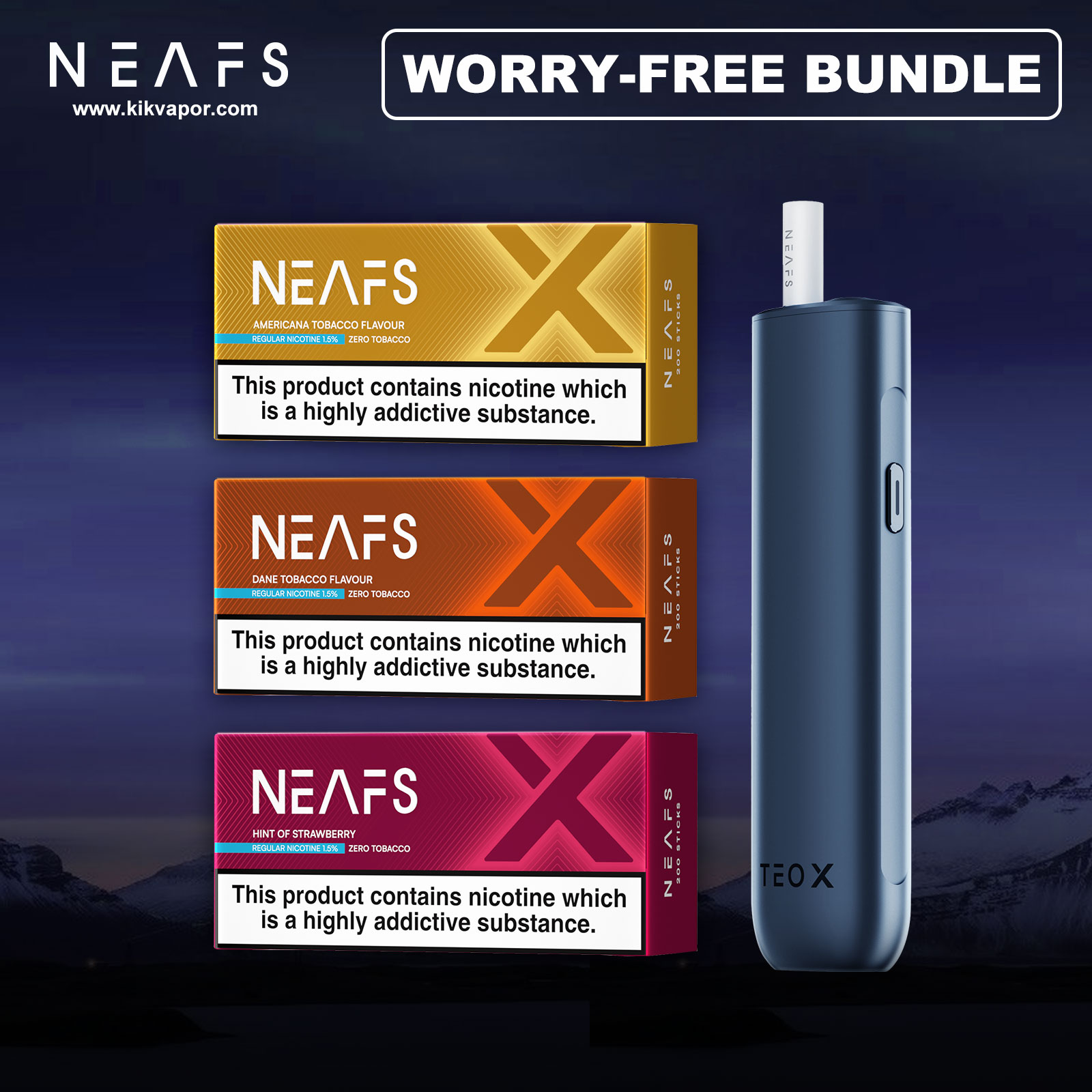
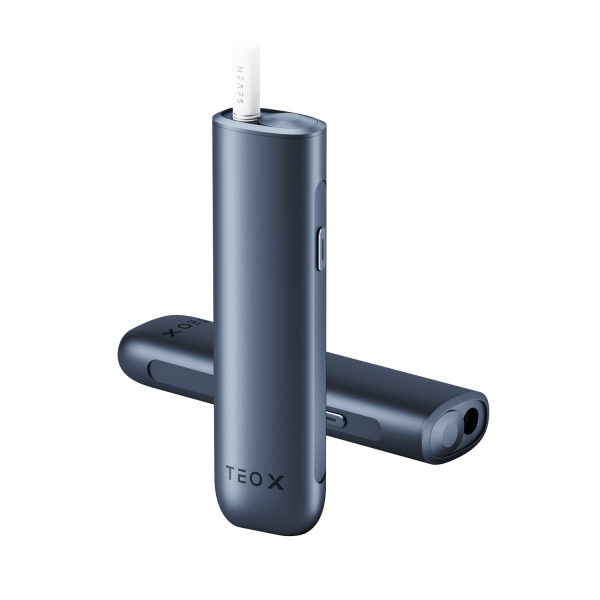
A heat-not-burn device heats a solid consumable, such as a heated stick.
Traditional Cigarette
A cigarette burns tobacco.
A simplified comparison looks like this:
| Product | What It Uses | Main Process |
|---|---|---|
| Cigarette | Tobacco cigarette | Burns |
| E-cigarette | E-liquid | Heats liquid |
| Heat-not-burn system | Solid heated consumable | Heats solid consumable |
This distinction is useful when comparing products such as disposable vapes, pod systems and heated-stick systems.
Nicotine: Cigarettes vs. E-Cigarettes
Nicotine is highly addictive regardless of the product format through which it is delivered.
Traditional cigarettes typically contain nicotine naturally present in tobacco.
E-cigarettes may contain nicotine in an e-liquid.
However, nicotine delivery can differ substantially between products.
Factors can include:
- nicotine concentration;
- formulation;
- device power;
- aerosol generation;
- frequency of use; and
- individual use patterns.
For this reason, it is not accurate to assume that one cigarette is automatically equivalent to a particular number of vape puffs.
Product specifications and user behaviour vary too widely for a universal conversion.
What Does “Tobacco-Free” Mean for Vapes?
The term can cause confusion.
An e-cigarette may not contain tobacco leaf while still containing nicotine.
Therefore:
No tobacco leaf ≠ no nicotine
and:
Tobacco-free ≠ nicotine-free
Users who specifically want a nicotine-free product should look for an explicit nicotine specification such as 0% nicotine, rather than relying solely on tobacco-related wording.
Who Should Not Use E-Cigarettes?
Young people should not use e-cigarettes.
Nicotine can affect the developing adolescent brain and can lead to addiction.
Pregnant people should also avoid nicotine exposure because nicotine can pose risks during fetal development.
Adults who do not currently use tobacco or nicotine products should not start using e-cigarettes.
Frequently Asked Questions
What is the biggest difference between cigarettes and e-cigarettes?
Traditional cigarettes burn tobacco and produce smoke. E-cigarettes electronically heat an e-liquid and produce an aerosol.
Is vape aerosol just water vapor?
No. E-cigarette aerosol is not simply harmless water vapor. Its composition depends on the e-liquid and device and can include nicotine and other substances.
Do e-cigarettes contain tobacco?
E-cigarettes generally use e-liquid rather than burning tobacco leaf. However, nicotine in an e-liquid may be tobacco-derived or produced from a non-tobacco source.
Do all e-cigarettes contain nicotine?
No. Nicotine content varies by product, and nicotine-free e-liquids and devices also exist.
Is nicotine the same as tobacco?
No. Nicotine is a chemical compound. Tobacco is plant material. Nicotine can exist in products that do not contain tobacco leaf.
Are e-cigarettes harmless because they do not burn tobacco?
No. The absence of conventional cigarette combustion does not make e-cigarettes harmless.
Are e-cigarettes the same as heated tobacco products?
No. E-cigarettes generally heat a liquid. Heat-not-burn products heat a solid consumable.
Are disposable vapes rechargeable?
Some are and some are not. Many modern high-capacity disposable vapes include rechargeable batteries even though the device or e-liquid system is ultimately disposable.
Are pod systems disposable vapes?
Not necessarily. Many pod systems use reusable devices with replaceable or refillable pods.
Are e-cigarettes approved by the FDA to help people quit smoking?
E-cigarettes are not FDA-approved smoking-cessation medicines in the United States. Approved cessation medications and nicotine replacement therapies are separate product categories.
The Bottom Line
Traditional cigarettes and e-cigarettes can both involve nicotine, but they are fundamentally different product formats.
A traditional cigarette:
burns tobacco → produces smoke
An e-cigarette:
heats e-liquid → produces aerosol
A heat-not-burn system is different again:
heats a solid consumable → produces an inhalable emission or aerosol
Understanding these distinctions helps prevent common product-category confusion.
It is also important to separate three questions:
Does it contain tobacco?
Does it contain nicotine?
Does it involve combustion?
Those questions are not interchangeable.
Finally, a product being non-combustible, tobacco-free or smoke-free should not automatically be interpreted as meaning it is harmless or appropriate for people who do not already use nicotine or tobacco products.
Sources
- U.S. Centers for Disease Control and Prevention (CDC), Health Effects of Vaping
- U.S. Centers for Disease Control and Prevention (CDC), E-Cigarettes (Vapes)
- U.S. Food and Drug Administration (FDA), Nicotine Is Why Tobacco Products Are Addictive
- U.S. Food and Drug Administration (FDA), Health Effects of Tobacco Use