Secondhand cigarette smoke does not affect only people.
Dogs, cats, birds and other pets sharing a home with someone who smokes can also be exposed to tobacco smoke and the chemicals it contains.
Pets may be exposed in several ways: by breathing contaminated air, contacting smoke residue on household surfaces, or ingesting substances that have settled on their fur during grooming.
There is another risk that should not be overlooked: nicotine itself.
Cigarettes, heated products, vapes, nicotine pouches and other nicotine-containing products can create different types of household exposure. Nicotine-containing products can also be dangerous if a pet chews or swallows them.
Understanding the difference between secondhand smoke, thirdhand smoke, aerosol exposure and accidental nicotine ingestion is an important part of keeping pets away from tobacco and nicotine products.
What Is Secondhand Smoke?
Secondhand smoke is tobacco smoke that enters the surrounding environment rather than being inhaled only by the person smoking.
With conventional cigarettes, this can include smoke released from the burning cigarette and smoke exhaled by the smoker.
Anyone or any animal sharing that environment may be exposed.
Pets can be particularly vulnerable because they may spend substantial amounts of time inside the home and close to floors, furniture, carpets and other surfaces where contaminants can accumulate.
Can Secondhand Smoke Affect Pets?
Yes.
Veterinary sources recognize secondhand tobacco smoke as a potential health risk for pets.
Dogs and cats living in smoking environments can be exposed to chemicals contained in tobacco smoke.
The effects can vary according to factors such as:
- species;
- duration of exposure;
- amount of smoke;
- ventilation;
- individual health;
- age; and
- other environmental factors.
Respiratory irritation is one concern, but long-term exposure has also been studied in relation to more serious health problems.
Pet owners should therefore avoid treating cigarette smoke as harmless simply because the animal is not directly smoking.
How Can Secondhand Smoke Affect Dogs?
Dogs living around cigarette smoke may inhale tobacco-related contaminants repeatedly.
Veterinary sources have associated secondhand smoke exposure in dogs with problems including respiratory irritation and other respiratory conditions.
Some research has also examined associations between long-term tobacco-smoke exposure and certain cancers in dogs.
Risk is not identical for every dog.
Breed, anatomy, age, existing health conditions and exposure level can all influence how an individual animal responds.
The practical takeaway is straightforward:
Dogs should be kept away from cigarette smoke whenever possible.
How Can Secondhand Smoke Affect Cats?
Cats present an additional concern because of their grooming behavior.
A cat does not have to inhale smoke directly to come into contact with smoke-related contaminants.
Particles and residue can settle on:
- furniture;
- carpets;
- bedding;
- clothing;
- floors; and
- the cat’s fur.
When cats groom themselves, they can ingest material that has accumulated on their coat.
This makes thirdhand smoke particularly relevant for cats.
What Is Thirdhand Smoke?
Thirdhand smoke refers to residue left behind after tobacco smoke has cleared from the air.
It can remain on surfaces such as:
- walls;
- furniture;
- carpets;
- curtains;
- clothing;
- bedding;
- car interiors; and
- pet fur.
This is different from secondhand smoke.
Secondhand smoke = airborne exposure during or after smoking.
Thirdhand smoke = residue that remains on surfaces.
Opening a window after smoking does not necessarily remove residue that has already settled around the environment.
For households with pets, this means exposure is not limited to the period when a cigarette is actively burning.
Why Can Thirdhand Smoke Matter for Pets?
Pets frequently interact with surfaces differently from humans.
Dogs may lie directly on carpets and floors.
Cats groom their fur extensively.
Young animals may lick, chew or investigate household objects.
This creates opportunities for contaminants on surfaces to reach an animal through:
- inhalation;
- skin or fur contact;
- licking;
- grooming; or
- ingestion.
Reducing pet exposure therefore involves more than simply moving the animal to another room while someone smokes.
What About Birds?
Birds have highly specialized and sensitive respiratory systems.
Airborne pollutants can therefore be particularly concerning around birds.
Smoke, fumes and other airborne contaminants should be kept away from areas where birds are housed.
Smoking around pet birds should be avoided.
Good indoor air quality is especially important for animals with sensitive respiratory systems.
Is Nicotine Dangerous to Pets?
Nicotine itself can be toxic to pets.
This creates a separate risk from secondhand smoke.
A pet may potentially encounter nicotine through products such as:
- cigarettes;
- cigarette butts;
- nicotine-containing e-liquids;
- disposable vapes;
- nicotine pouches;
- heated consumables; and
- other nicotine-containing materials.
Chewing or swallowing a nicotine-containing product can result in direct nicotine exposure.
That is different from inhaling secondhand cigarette smoke, but both are important household safety concerns.
Why Are Used Nicotine Products Still a Concern?
A used nicotine product should not automatically be considered harmless.
Cigarette butts and used nicotine-containing consumables may still contain substances that should not be ingested by pets.
Similarly, used nicotine pouches, cartridges, pods or other consumables should be disposed of securely.
Pets can be attracted to small objects because of their:
- smell;
- texture;
- size; or
- accessibility.
Products should therefore be stored and discarded where pets cannot reach them.
What Should You Do If a Pet Eats a Nicotine Product?
Potential nicotine ingestion should be taken seriously.
If you suspect that a dog, cat or other pet has swallowed a cigarette, nicotine pouch, e-liquid, vape component or another nicotine-containing product, contact a veterinarian or animal poison-control service promptly.
Do not wait for serious symptoms to appear before seeking professional advice.
Information that may help a veterinarian includes:
- the type of product;
- nicotine strength, if known;
- estimated amount consumed;
- time of possible ingestion;
- animal’s weight;
- animal’s age; and
- symptoms currently present.
Keep the product packaging available if possible so the veterinarian can identify its contents.
What About Vaping Around Pets?
Vapes do not produce conventional cigarette smoke because they do not burn a cigarette.
Instead, they heat an e-liquid and create an aerosol.
That distinction matters, but it does not mean vape aerosol should be treated as harmless indoor air for pets.
The aerosol can contain nicotine and other substances depending on the product.
There is also a separate accidental-ingestion risk associated with nicotine-containing e-liquid.
Pet owners should avoid intentionally exposing animals to vape aerosol and should keep e-liquids and devices securely out of reach.
What About Heat-Not-Burn Products Around Pets?
Heat-not-burn products use a different mechanism from conventional cigarettes.
A conventional cigarette burns tobacco.
Electronic heat-not-burn systems heat a compatible solid consumable.
Because the mechanisms are different, the resulting emissions are also not identical.
However, this does not establish that a particular heated product is harmless to pets.
Evidence and regulatory findings relating to one heated product should not automatically be applied to another product.
There is also an important difference between:
user exposure
and:
secondhand exposure to another person or animal.
A product-specific finding about reduced exposure for an adult who completely switches from cigarettes does not automatically establish reduced risk for pets exposed nearby.
Does Heat-Not-Burn Mean No Secondhand Exposure?
No.
“Heat-not-burn” describes the operating mechanism.
It does not mean:
no emissions
or:
no environmental exposure.
Electronic heated products can produce aerosols or emissions during use.
Their composition depends on the specific product and consumable.
For this reason, the simplest household rule is:
Do not deliberately expose pets to emissions from cigarettes, vapes or heated products.
Can NEAFS Be Described as Safer for Pets?
There is not sufficient basis to make a broad claim that NEAFS is “safe for pets” or that using NEAFS has been proven to reduce harm to pets.
That distinction is important.
NEAFS heated-stick systems operate differently from conventional combustible cigarettes.
But a difference in operating mechanism does not by itself prove a specific health outcome for dogs, cats or other animals.
Statements such as:
“NEAFS protects pets”
“NEAFS reduces cancer risk in pets”
“NEAFS is safe around animals”
or:
“switching to NEAFS eliminates secondhand exposure”
should not be made without product-specific scientific evidence supporting those claims.
Where Does NEAFS Fit?
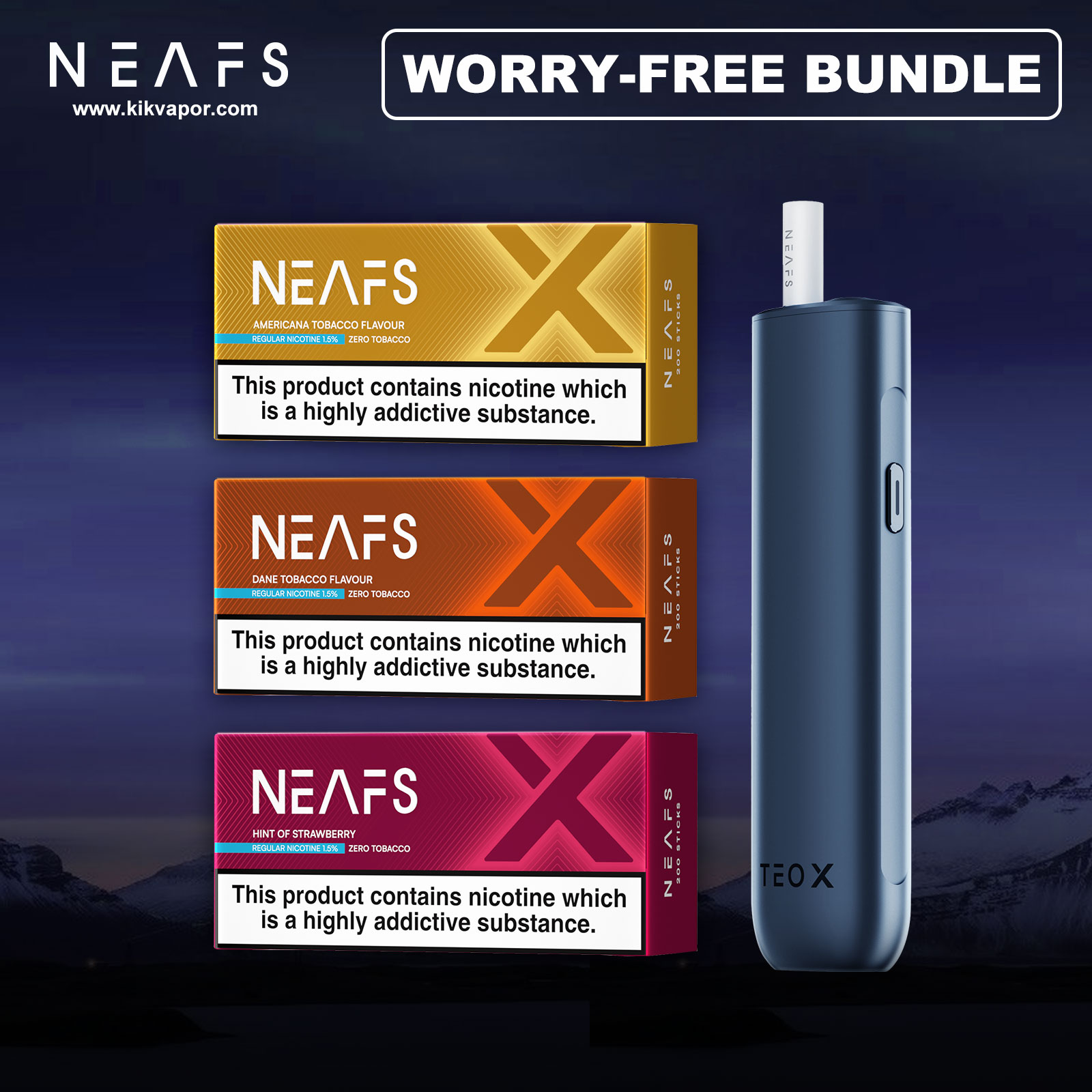
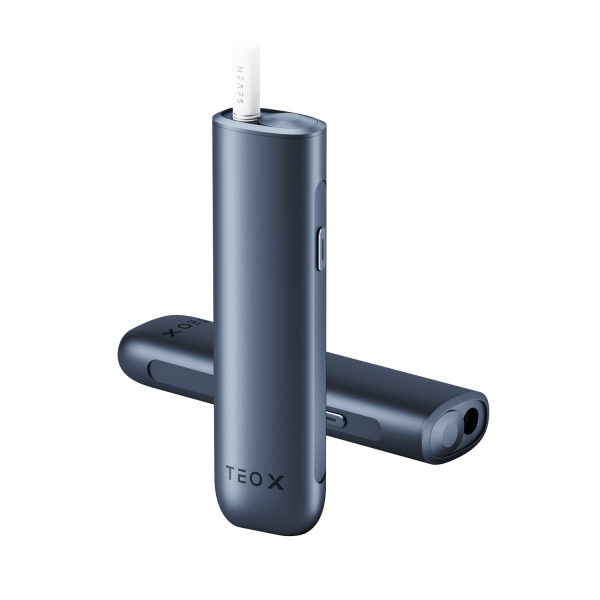
NEAFS is associated with heated-stick products and compatible heating hardware.
Within the current product ecosystem:
TEO / TEO-X
are heating devices.
NEAFS / NEAFS-X
are heated-stick product lines.
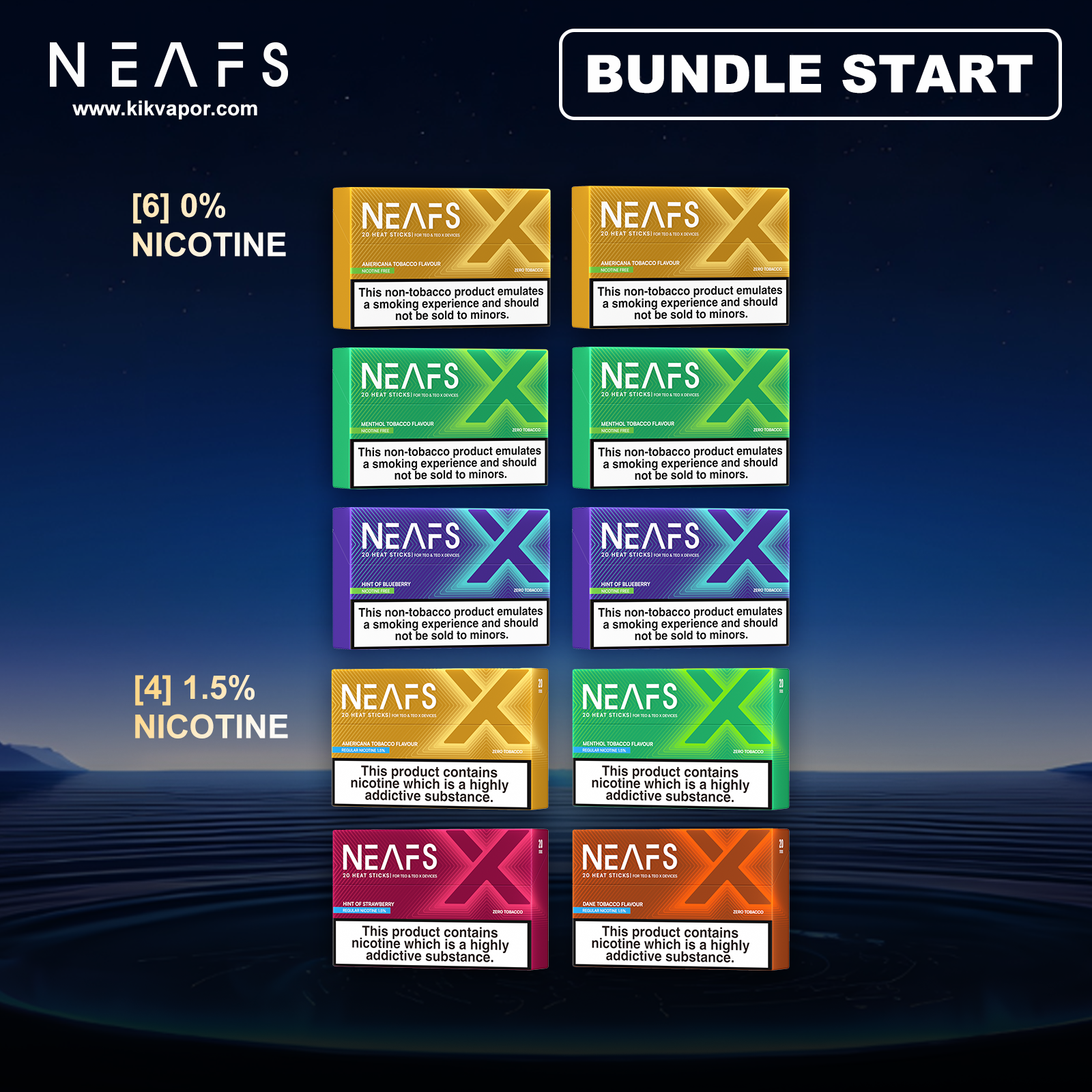
Some current NEAFS-X products are tobacco-free.
Different NEAFS-X variants also have different nicotine specifications, including nicotine-containing and nicotine-free options.
These characteristics describe what the products are.
They do not establish that the products are harmless to pets or should be used as a pet-protection strategy.
Tobacco-Free Does Not Mean Exposure-Free
The term “tobacco-free” describes product composition.
It should not be interpreted as meaning:
- harmless;
- safe to inhale secondhand;
- safe for pets;
- safe to ingest; or
- free from all potentially relevant emissions.
Likewise, tobacco-free and nicotine-free are not synonymous.
A tobacco-free product can still contain nicotine.
This matters particularly in households with pets because nicotine-containing products should be stored securely regardless of whether they contain tobacco.
Nicotine-Free Does Not Mean Pet-Safe
The reverse distinction is also important.
A product containing 0% nicotine eliminates nicotine from that particular product specification, but that alone does not establish that its emissions or ingredients are safe for animals.
“Nicotine-free” means exactly that:
the product is specified as containing no nicotine.
It should not automatically be expanded into broader health or environmental safety claims.
How Can You Reduce a Pet’s Exposure to Cigarette Smoke?
The most effective approach is to prevent pets from being exposed to cigarette smoke in the first place.
Practical measures include:
Do Not Smoke Around Pets
Avoid smoking inside rooms, vehicles or enclosed spaces occupied by pets.
Keep the Home Smoke-Free
Smoking outdoors helps prevent direct indoor cigarette smoke exposure.
Remember Thirdhand Residue
Smoke residue can remain on clothing and household surfaces even after visible smoke disappears.
Store Nicotine Products Securely
Keep cigarettes, vapes, e-liquids, nicotine pouches and heated consumables somewhere pets cannot access them.
Dispose of Used Products Securely
Do not leave cigarette butts, used pouches or heated consumables in open bins or accessible containers.
Keep Devices Away From Pets
Small devices and consumables can become chew hazards in addition to potential chemical-exposure hazards.
What About Smoking in Another Room?
Smoking in a separate room does not necessarily create a completely isolated environment.
Smoke and airborne particles can move between rooms through:
- open doors;
- ventilation;
- heating and cooling systems; and
- gaps within the building.
Residue can also remain on the smoker’s clothing and surrounding surfaces.
A smoke-free indoor environment provides a clearer way to minimize household cigarette-smoke exposure.
What About Smoking Near an Open Window?
An open window can improve ventilation, but it should not be treated as a guarantee that pets are not exposed.
Smoke can remain indoors or move back into the room.
It also does not address thirdhand residue that settles on surfaces.
Smoking away from the indoor environment is preferable to relying only on an open window.
Secondhand Smoke vs. Thirdhand Smoke vs. Nicotine Ingestion
These three risks are worth separating.
| Exposure Type | What It Means | Example |
|---|---|---|
| Secondhand smoke | Breathing tobacco smoke from the surrounding air | Dog in a room where cigarettes are being smoked |
| Thirdhand smoke | Contact with residual contaminants on surfaces | Cat grooming residue from its fur |
| Nicotine ingestion | Swallowing a nicotine-containing product | Dog chewing a nicotine pouch or cigarette butt |
A pet can potentially experience more than one type of exposure.
That is why household tobacco and nicotine safety involves both air quality and secure product storage.
Frequently Asked Questions
Is secondhand smoke harmful to dogs?
Secondhand tobacco smoke can expose dogs to harmful chemicals and has been associated with respiratory and other health concerns.
Is secondhand smoke harmful to cats?
Yes. Cats can inhale smoke and may also encounter thirdhand residue that settles on their fur and is ingested during grooming.
What is thirdhand smoke?
Thirdhand smoke is tobacco-related residue that remains on clothing, furniture, carpets, walls and other surfaces after smoking.
Can pets get nicotine poisoning?
Yes. Nicotine can be toxic to animals. Potential ingestion of a nicotine-containing product should be treated seriously.
What should I do if my dog eats a nicotine pouch?
Contact a veterinarian or animal poison-control service promptly and provide information about the product, nicotine content and estimated amount consumed.
Is vaping around pets safe?
Vape aerosol is different from cigarette smoke, but it should not automatically be considered harmless to pets. Avoid intentionally exposing animals to aerosol.
Are heat-not-burn emissions safe for pets?
A different operating mechanism does not establish that emissions are harmless to animals. Avoid deliberately exposing pets to heated-product emissions.
Is NEAFS proven to be safer for pets than cigarettes?
Product-specific evidence would be needed to establish such a claim. NEAFS should not be marketed as proven to protect pets or reduce pet health risks without supporting evidence.
Are tobacco-free NEAFS-X sticks safe around pets?
“Tobacco-free” describes product composition. It does not establish that a product or its emissions are harmless to pets.
Is a 0% nicotine heated stick safe for pets?
A 0% nicotine specification indicates that the product is nicotine-free. It does not establish broader inhalation or environmental safety for animals.
What is the best way to protect pets from secondhand smoke?
Maintaining a smoke-free indoor environment and keeping tobacco and nicotine products securely away from pets are practical ways to reduce exposure.
The Bottom Line
Pets can be affected by tobacco and nicotine products in several different ways.
Secondhand smoke
can expose animals to tobacco-smoke contaminants in the air.
Thirdhand smoke
can leave residue on furniture, carpets, clothing and animal fur.
Nicotine-containing products
can create an additional poisoning risk if they are chewed or swallowed.
Cigarettes, vapes and heated products operate differently, but those differences should not be converted automatically into claims that one product is harmless to pets.
For NEAFS specifically, the appropriate distinction is:
NEAFS uses a heated-stick system rather than conventional cigarette combustion.
That is a product characteristic.
It is not evidence that NEAFS has been proven to prevent disease in pets or eliminate secondhand exposure.
For households with animals, the most straightforward approach is to keep indoor spaces free from cigarette smoke, avoid deliberately exposing pets to aerosols or heated-product emissions, and securely store all nicotine-containing products and used consumables.
Sources
- U.S. Food and Drug Administration (FDA), information on tobacco products and modified-risk claims
- U.S. Centers for Disease Control and Prevention (CDC), information on heated tobacco products
- Veterinary guidance on secondhand and thirdhand smoke exposure in pets