Nicotine is often associated with feelings of reward, relaxation, alertness or temporary relief from cravings.
But describing nicotine as a substance that simply “makes people happy” misses an important part of the science.
Nicotine is highly addictive. It interacts with receptors in the brain and influences reward pathways involving dopamine. With repeated exposure, the brain can adapt to nicotine, contributing to dependence, cravings and withdrawal symptoms when nicotine is no longer present.
For people who have developed nicotine dependence, some of the perceived “relaxation” or improved mood after using nicotine may also reflect temporary relief from withdrawal.
Understanding this cycle provides a clearer picture of why nicotine can feel rewarding and why repeated use can become difficult to stop.
What Is Nicotine?
Nicotine is a naturally occurring chemical found in tobacco plants.
It is also the primary addictive chemical associated with tobacco products.
Nicotine can be delivered through different product formats, including:
- cigarettes;
- certain heated products;
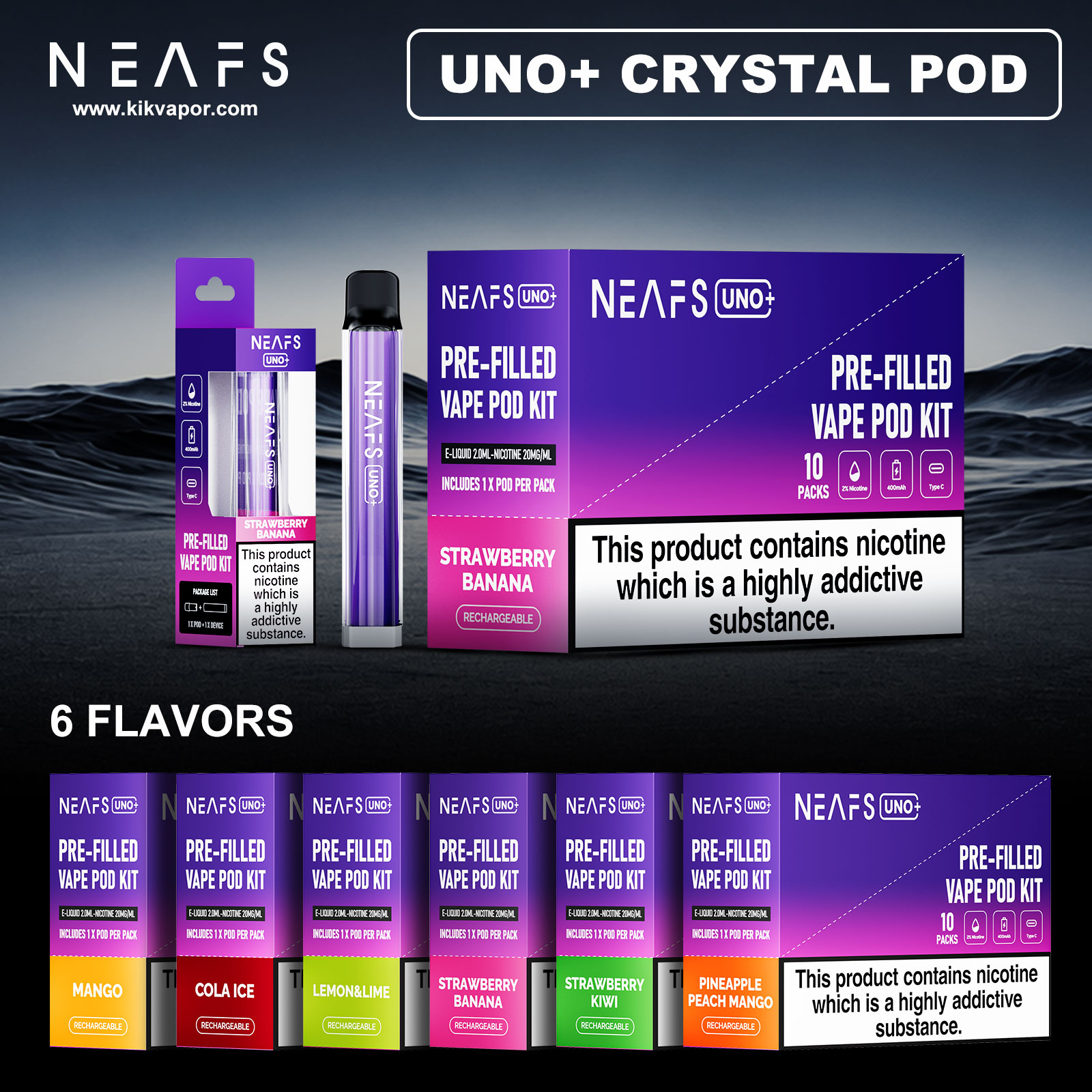
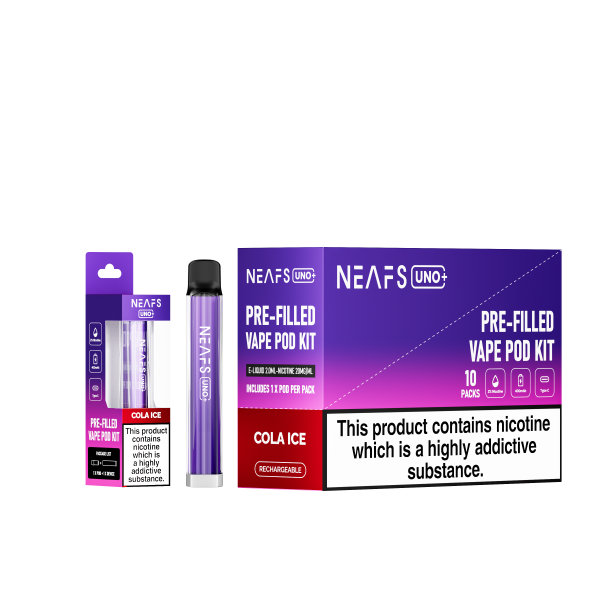
- e-cigarettes and vapes;
- nicotine pouches; and
- nicotine replacement therapies such as patches, gum and lozenges.
These products should not be treated as identical simply because they can contain nicotine.
Their ingredients, delivery methods, intended uses and regulatory categories can differ substantially.
What Happens When Nicotine Reaches the Brain?
Nicotine interacts with proteins in the nervous system known as nicotinic acetylcholine receptors.
Activation of these receptors affects several neural pathways.
One important effect involves dopamine.
Dopamine participates in the brain’s reward, motivation and reinforcement systems.
Nicotine can increase activity within these pathways, helping reinforce the behavior associated with nicotine use.
This reinforcement is one reason repeated nicotine exposure can contribute to addiction.
A simplified relationship looks like this:
Nicotine exposure
→ activation of nicotinic acetylcholine receptors
→ changes in brain signaling
→ activation of reward pathways
→ reinforcement of nicotine use
With repeated exposure, this process can contribute to dependence.
What Is Dopamine?
Dopamine is a neurotransmitter — a chemical messenger used by the nervous system.
It plays roles in:
- motivation;
- reward;
- learning;
- movement; and
- reinforcement.
Dopamine is sometimes casually called the “happiness chemical,” but this description is oversimplified.
Dopamine is not simply an on/off switch for happiness.
Its role in reward and reinforcement is particularly relevant when discussing addictive substances.
Nicotine’s ability to influence dopamine pathways helps explain why nicotine use can become reinforcing.
Does Nicotine Make You Happy?
It is more accurate to say that nicotine can affect brain reward pathways than to say nicotine “creates happiness.”
People may report temporary experiences such as:
- pleasure;
- increased alertness;
- reduced cravings;
- perceived relaxation; or
- temporary mood changes.
But these experiences should not be interpreted as evidence that nicotine is a treatment for low mood, anxiety, stress or depression.
Nicotine is an addictive substance.
Repeated exposure can create dependence, and dependence changes the way nicotine use and nicotine withdrawal are experienced.
Why Can Nicotine Feel Relaxing?
This is an important question because nicotine is pharmacologically active and can increase alertness, yet many nicotine users describe using it to relax.
One explanation involves nicotine dependence.
When someone regularly uses nicotine, nicotine levels eventually decline between uses.
For a nicotine-dependent person, that decline can contribute to withdrawal symptoms.
These can include:
- cravings;
- irritability;
- restlessness;
- difficulty concentrating;
- anxiety;
- sleep disturbance; and
- changes in mood.
Using nicotine again can temporarily reduce some withdrawal symptoms.
The person may experience this as “relaxation.”
But in some cases, the nicotine is relieving discomfort partly created by nicotine dependence itself.
This creates a repeating cycle:
Nicotine use
→ nicotine level falls
→ withdrawal symptoms emerge
→ craving develops
→ nicotine is used again
→ withdrawal symptoms temporarily decrease
→ cycle repeats
Understanding this cycle is important when discussing nicotine and stress.
What Is Nicotine Dependence?
Nicotine dependence develops when repeated nicotine exposure produces changes that make continued nicotine use increasingly reinforcing.
Dependence can involve both physical and behavioral components.
Physical dependence can contribute to withdrawal symptoms when nicotine use stops.
Behavioral patterns can also become associated with nicotine use.
For example, someone may repeatedly use nicotine:
- after meals;
- during work breaks;
- while driving;
- when drinking coffee;
- in social situations; or
- during stressful moments.
Over time, these situations themselves can become triggers for nicotine cravings.
This helps explain why nicotine dependence can involve more than the pharmacological effects of nicotine alone.
What Is Nicotine Withdrawal?
Nicotine withdrawal can occur when someone who has developed nicotine dependence stops using nicotine or significantly reduces their intake.
Common withdrawal symptoms can include:
- strong cravings;
- irritability;
- anxiety;
- difficulty concentrating;
- restlessness;
- sleep problems;
- increased appetite; and
- low or depressed mood.
Withdrawal symptoms vary between individuals.
They also help explain why a nicotine-dependent person may perceive nicotine use as improving mood.
If nicotine temporarily reduces withdrawal-related irritability or discomfort, the resulting relief can feel rewarding.
That does not mean nicotine is treating the underlying causes of anxiety, depression or other mental-health conditions.
Nicotine Reward vs. Withdrawal Relief
These two mechanisms can occur together.
Reward
Nicotine affects brain pathways involved in reinforcement and reward.
Withdrawal Relief
Once dependence has developed, nicotine can temporarily reduce withdrawal symptoms.
Together, they can create a powerful behavioral cycle.
This is why statements such as:
“Nicotine makes people happier”
or:
“Nicotine reduces stress”
are incomplete.
They ignore the role of dependence and withdrawal.
A more accurate explanation is that nicotine affects brain reward pathways and, in dependent users, can temporarily relieve symptoms associated with nicotine withdrawal.
Is Nicotine an Antidepressant?
Nicotine should not be treated as an antidepressant.
Nicotine-containing consumer products are not substitutes for professional mental-health care or approved treatments for depression.
Someone experiencing persistent depression, anxiety or other mental-health symptoms should seek appropriate medical guidance rather than using nicotine as a form of self-treatment.
This distinction is particularly important because temporary changes in mood after nicotine exposure do not establish that nicotine treats a mental-health disorder.
Is Nicotine a Treatment for Stress?
Nicotine should not be recommended as a stress-management treatment.
A nicotine-dependent person may perceive relief after using nicotine because withdrawal symptoms temporarily decrease.
That can reinforce the belief that nicotine is necessary to manage stress.
However, repeatedly using an addictive substance to relieve withdrawal is different from treating the underlying source of stress.
People who do not currently use nicotine should not start using nicotine products as a strategy for relaxation, concentration, mood improvement or stress management.
Is Nicotine the Same as Smoking?
No.
Nicotine and cigarette smoking are related, but they are not the same thing.
Nicotine is a chemical.
A cigarette is a product that burns tobacco and produces smoke containing nicotine plus thousands of other chemicals.
This distinction is important.
Nicotine is a major reason cigarettes are addictive.
However, many serious diseases associated with cigarette smoking are linked to the toxic chemical mixture created by tobacco and combustion rather than nicotine alone.
Therefore:
Nicotine ≠ cigarette smoke
and:
Nicotine addiction ≠ all smoking-related disease
Both concepts matter, but they describe different aspects of tobacco use.
Do All Nicotine Products Work the Same Way?
No.
Products containing nicotine can differ substantially.
For example:
Cigarettes
Burn tobacco and deliver nicotine through cigarette smoke.
E-Cigarettes
Generally heat an e-liquid to create an aerosol that may contain nicotine.
Heated Products
Use heating hardware with a compatible solid consumable. Tobacco and nicotine content depend on the specific product.
Nicotine Pouches
Deliver nicotine orally without using a combustible cigarette.
Nicotine Replacement Therapy
Products such as nicotine patches, gum and lozenges are specifically designed and regulated for smoking cessation.
These products should not be treated as interchangeable.
What Is the Difference Between Nicotine Products and NRT?
Nicotine replacement therapy, or NRT, is a specific category of smoking-cessation treatment.
Examples include:
- nicotine patches;
- nicotine gum; and
- nicotine lozenges.
Their purpose is to provide controlled nicotine delivery as part of an evidence-based approach to quitting smoking.
The fact that another consumer product contains nicotine does not make it nicotine replacement therapy.
For example:
Nicotine pouch ≠ automatically NRT
Nicotine vape ≠ automatically NRT
Nicotine heated stick ≠ automatically NRT
The intended use and regulatory status matter.
Where Do NEAFS Products Fit?
NEAFS is associated with several nicotine-related product formats.
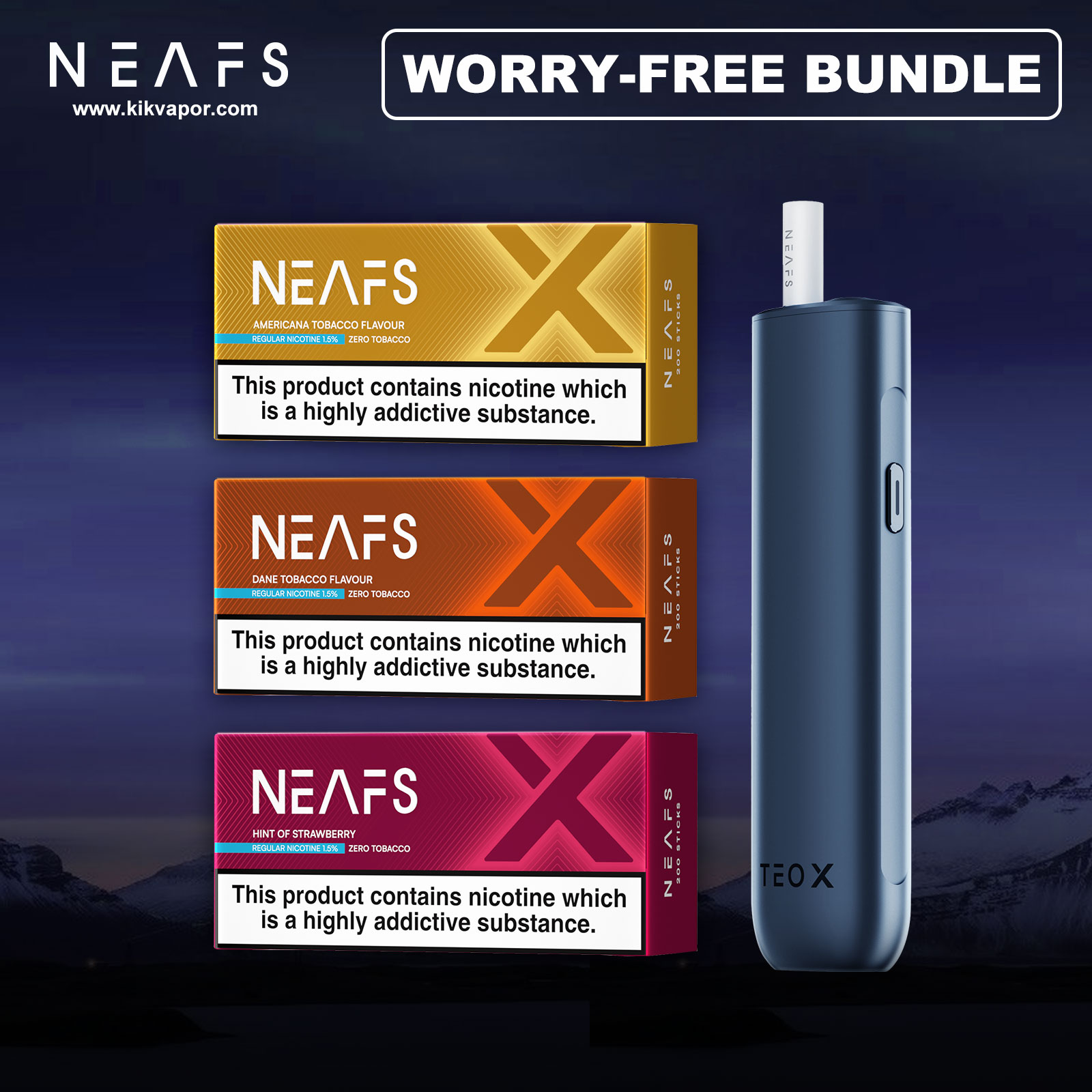
Within the current KIKVAPE product ecosystem, these include heated-stick products and nicotine pouches.
For heated products, it is important to separate the hardware from the consumable.
For example:
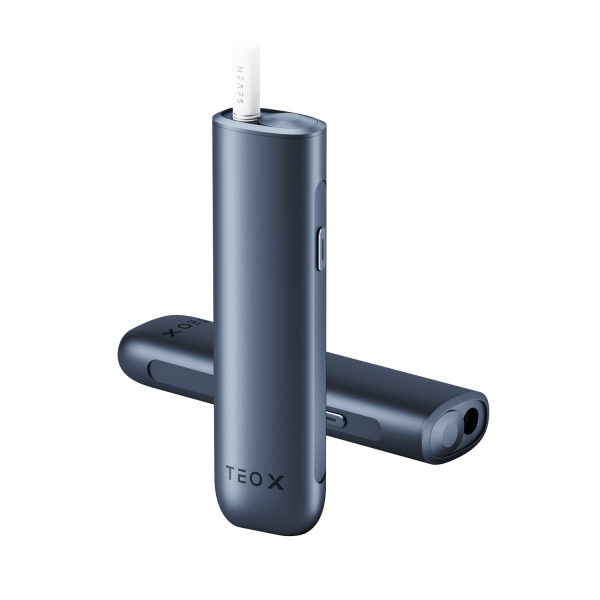
TEO / TEO-X
Heating devices.
NEAFS / NEAFS-X
Heated-stick product lines.
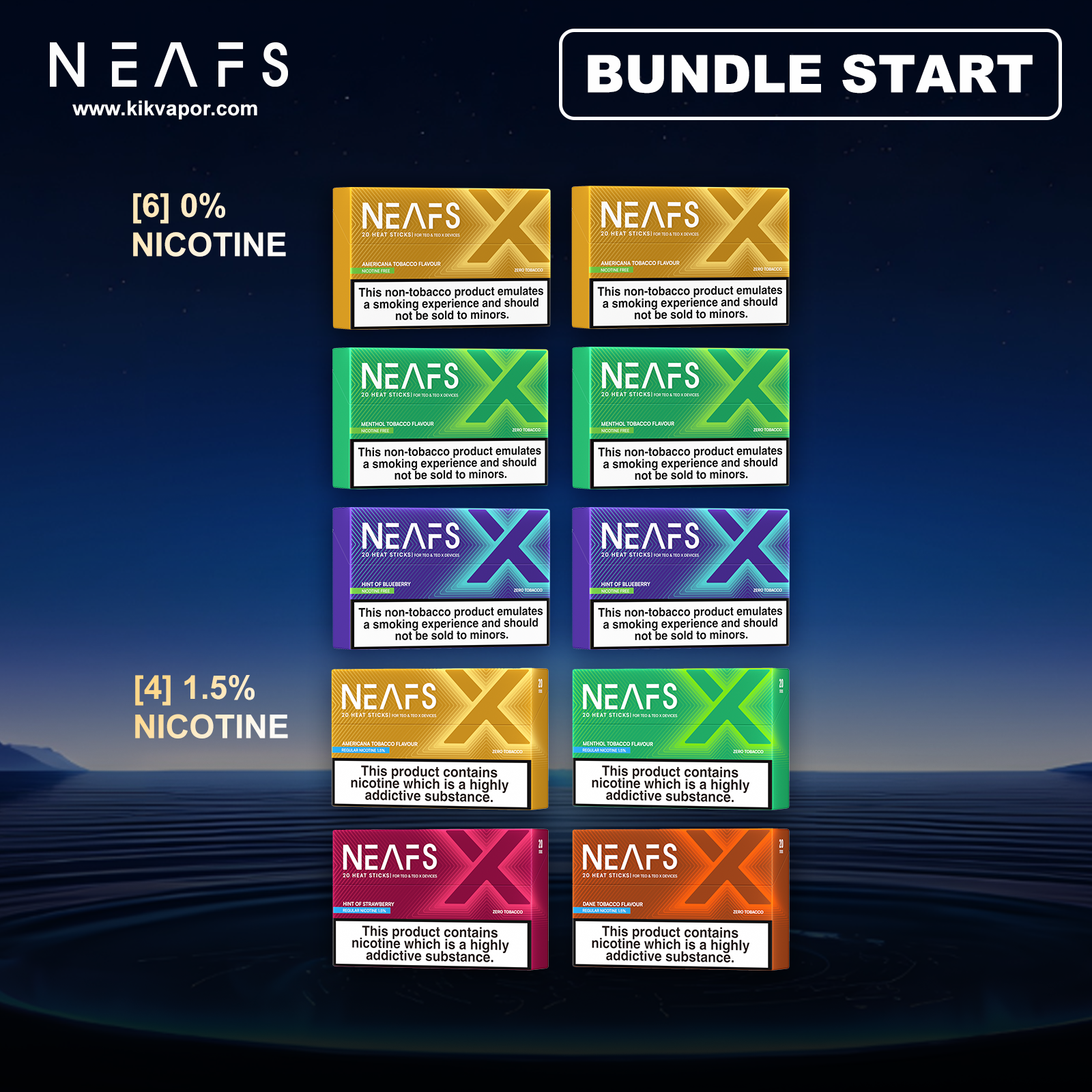
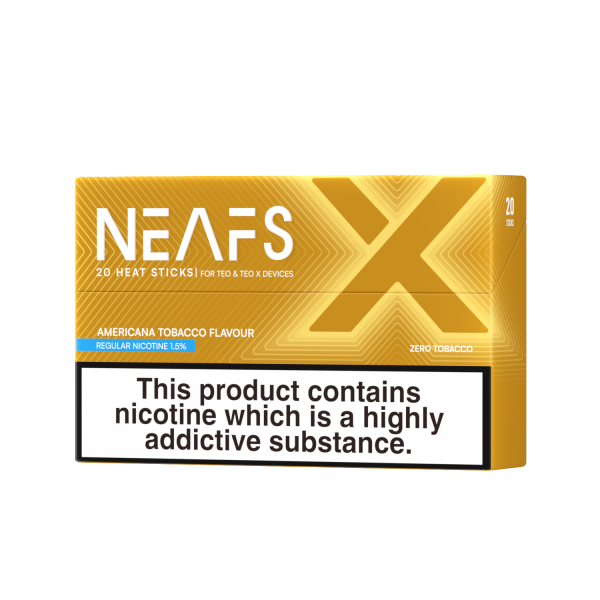
Current NEAFS-X options include tobacco-free heated sticks with different nicotine specifications.
NEAFS-X 1.5% vs. NEAFS-X 0%
NEAFS-X provides a useful example of why nicotine and tobacco should be treated as separate product attributes.
NEAFS-X 1.5%
Tobacco-free heated sticks containing nicotine.
NEAFS-X 0%
Tobacco-free heated sticks without nicotine.
Therefore:
Tobacco-free does not mean nicotine-free.
Someone specifically looking to avoid nicotine should check the nicotine specification rather than relying only on the term “tobacco-free.”
What About NEAFS Nicotine Pouches?
Nicotine pouches are another product format.
They are placed orally rather than heated or burned.
They can contain nicotine without containing tobacco leaf.
Again, this illustrates the distinction between:
Nicotine
and:
Tobacco
A product can contain nicotine without containing tobacco.
However, tobacco-free nicotine products can still be addictive because nicotine itself is addictive.
Can Nicotine Products Improve Concentration?
Nicotine can affect attention and alertness, but this should not be turned into a recommendation to use nicotine as a cognitive-enhancement product.
For people with nicotine dependence, perceived improvements in concentration after nicotine use may partly reflect relief from withdrawal-related difficulty concentrating.
People who do not currently use nicotine should not begin using an addictive nicotine product in an attempt to improve focus or productivity.
Can Nicotine Products Improve Mood?
Nicotine can temporarily influence brain signaling and subjective mood.
But this does not mean nicotine products should be used to improve emotional well-being.
Repeated nicotine exposure can produce dependence.
Once dependence develops, changes in mood can also occur during withdrawal.
This creates an important distinction:
Temporary reward or withdrawal relief ≠ treatment of mood problems.
Nicotine-containing consumer products should not be promoted as treatments for depression, anxiety or other mental-health conditions.
Why Is Nicotine Addictive?
Nicotine addiction involves several interacting mechanisms.
Nicotine:
- reaches the nervous system;
- activates nicotinic acetylcholine receptors;
- affects reward pathways;
- reinforces repeated use;
- can produce dependence after repeated exposure; and
- can lead to withdrawal symptoms when use stops.
Behavior and environmental cues can further reinforce this cycle.
That combination helps explain why stopping nicotine use can be difficult for some people.
What Should People Know Before Using Nicotine Products?
Several principles are useful when evaluating nicotine products.
Nicotine Is Addictive
Nicotine-containing products can lead to dependence.
Nicotine Is Not the Same as Tobacco
A product can contain nicotine without containing tobacco.
Tobacco-Free Does Not Mean Nicotine-Free
Always check the nicotine specification separately.
Temporary Reward Is Not a Health Benefit
Feeling temporary pleasure or relief after nicotine use does not establish that nicotine improves health or emotional well-being.
Consumer Nicotine Products Are Not Automatically Cessation Treatments
Only products specifically authorized or approved for smoking cessation should be presented as such.
Frequently Asked Questions
Why does nicotine feel rewarding?
Nicotine affects brain pathways involved in reward and reinforcement, including pathways involving dopamine.
Does nicotine release dopamine?
Nicotine can influence dopamine signaling in brain reward pathways. This effect contributes to reinforcement and addiction.
Does nicotine make you happy?
“Making you happy” is an oversimplification. Nicotine can produce temporary rewarding effects, and in dependent users it may also temporarily relieve withdrawal symptoms.
Why do some people say nicotine relaxes them?
For people with nicotine dependence, using nicotine can temporarily reduce withdrawal symptoms such as irritability or restlessness, which may be experienced as relaxation.
Can nicotine reduce stress?
Nicotine should not be recommended as a stress treatment. Some perceived stress relief in dependent users can be related to temporary relief from nicotine withdrawal.
Is nicotine addictive?
Yes. Nicotine is highly addictive.
Is nicotine the main cause of smoking-related cancer?
Nicotine is primarily associated with addiction. Cigarette smoke contains a complex mixture of harmful chemicals responsible for many serious smoking-related diseases.
Is nicotine the same as tobacco?
No. Nicotine is a chemical that can be present in tobacco products and some tobacco-free products.
Does tobacco-free mean nicotine-free?
No. Tobacco-free products can still contain nicotine.
Are nicotine pouches NRT?
Consumer nicotine pouches should not automatically be described as nicotine replacement therapy. NRT is a specific category of smoking-cessation treatment.
Does NEAFS-X contain nicotine?
NEAFS-X is available in different nicotine specifications, including current 1.5% nicotine and 0% nicotine options.
Can nicotine treat depression or anxiety?
Nicotine-containing consumer products should not be used or promoted as treatments for depression or anxiety.
The Bottom Line
Nicotine’s relationship with reward and mood is more complicated than the idea that nicotine simply “makes people happy.”
Nicotine interacts with receptors in the nervous system and influences brain pathways involved in reward and reinforcement.
With repeated exposure, dependence can develop.
Once dependence exists, falling nicotine levels can produce withdrawal symptoms such as cravings, irritability, difficulty concentrating and changes in mood.
Using nicotine again may temporarily reduce those symptoms, reinforcing continued use.
The relationship is therefore better understood as:
Nicotine
→ brain reward and reinforcement
→ repeated exposure
→ dependence
→ falling nicotine levels
→ withdrawal and cravings
→ nicotine use
→ temporary relief
→ continued reinforcement
This explains why temporary pleasure, relaxation or improved mood after nicotine use should not be confused with a health benefit or treatment for stress, anxiety or depression.
When comparing nicotine products, keep the core concepts separate:
Nicotine ≠ tobacco
Tobacco-free ≠ nicotine-free
Reward ≠ happiness treatment
Withdrawal relief ≠ mental-health treatment
Consumer nicotine product ≠ nicotine replacement therapy
Understanding these distinctions provides a much more accurate picture of how nicotine affects the brain and why nicotine dependence can develop.
Sources
- U.S. Food and Drug Administration (FDA), Nicotine Is Why Tobacco Products Are Addictive
- U.S. National Institute on Drug Abuse (NIDA), information on nicotine and tobacco
- U.S. Centers for Disease Control and Prevention (CDC), information on nicotine and tobacco products